How Do You Prepare Your Home for Warmer Months?
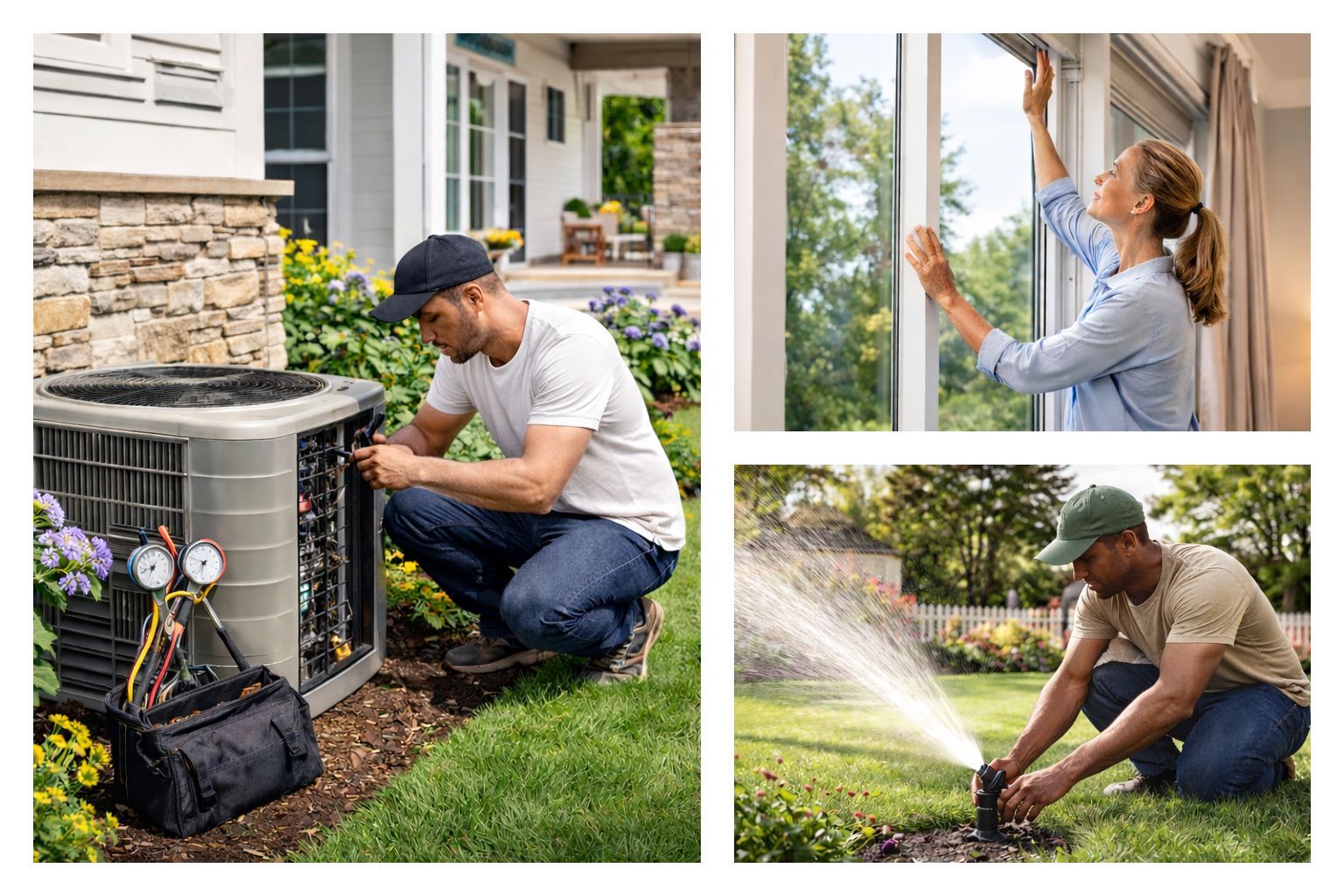
How Do You Prepare Your Home for Warmer Months?
As the weather begins to shift, your home should transition with it. Preparing your home for the warmer months isn’t just about comfort, it’s about protecting your investment, improving efficiency, and setting yourself up for a stress-free spring and summer.
From a custom home builder’s perspective, the homes that perform best over time are the ones that are maintained proactively, not reactively. Here’s a clear, no-nonsense breakdown of what matters.
Start with Your Home’s Exterior
Your home’s exterior takes the biggest hit during winter, so this is where you should focus first.
What to do:
- Inspect siding for cracks, warping, or moisture damage
- Check your roof for missing or damaged shingles
- Clean gutters and downspouts to ensure proper drainage
- Power wash siding, decks, and patios
Why it matters:
Water is your home’s biggest enemy. Small issues, especially around the roofline and drainage can turn into expensive problems fast if ignored.
Service Your HVAC System Early
Before temperatures climb, make sure your cooling system is ready.
What to do:
- Schedule a professional HVAC tune-up
- Replace air filters
- Clean vents and returns
- Test your thermostat
Pro insight:
In well-built custom homes, HVAC systems are designed for efficiency, but they only perform that way if maintained. Skipping service reduces lifespan and increases energy costs.
Check Windows and Doors for Efficiency
Warmer months mean higher energy usage, especially with cooling.
What to do:
- Inspect seals and weatherstripping
- Clean window tracks and screens
- Look for condensation between panes (a sign of seal failure)
Why it matters:
Even high-quality windows can lose efficiency over time if seals break down. Addressing this early keeps your home comfortable and your utility bills in check.
Prep Outdoor Living Spaces
Spring and summer are when you use your outdoor areas. Don’t wait until the first warm weekend to realize they’re not ready.
What to do:
- Clean and inspect decks for loose boards or railings
- Seal or stain wood surfaces if needed
- Set up patios, furniture, and outdoor kitchens
- Check exterior lighting
Builder perspective:
Outdoor living is a major part of modern custom home design. Keeping these spaces maintained preserves both usability and long-term value.
Inspect Plumbing and Irrigation
Freezing temperatures can quietly damage pipes and outdoor systems.
What to do:
- Check for leaks under sinks and around fixtures
- Test outdoor spigots and hose bibs
- Turn on and inspect irrigation systems
- Look for low pressure or uneven watering
Why it matters:
Undetected leaks can waste water and cause structural damage. This is a quick check that can save you thousands.
Focus on Landscaping and Drainage
Your lot plays just as big a role as your home.
What to do:
- Trim back overgrown trees and shrubs
- Clear debris away from the foundation
- Ensure grading directs water away from the home
- Refresh mulch and plantings
Pro tip:
Proper drainage is one of the most overlooked factors in home longevity. Even a perfectly built home can develop issues if water isn’t managed correctly.
Safety Checks You Shouldn’t Skip
Seasonal transitions are the perfect time to handle the basics.
What to do:
- Test smoke and carbon monoxide detectors
- Check fire extinguishers
- Inspect garage door operation and safety sensors
Final Thoughts: Think Long-Term, Not Seasonal
Preparing your home for warmer months isn’t about a quick checklist, it’s about protecting the quality and performance of your home over time.
The reality is simple:
Well-maintained homes last longer, perform better, and retain more value.
If you approach seasonal prep the same way a builder approaches construction; with attention to detail and a focus on longevity, you’ll avoid costly surprises and enjoy your home the way it was meant to be enjoyed.
SHARE ONLINE