Building a Home on Sloped Lots: A Design Guide
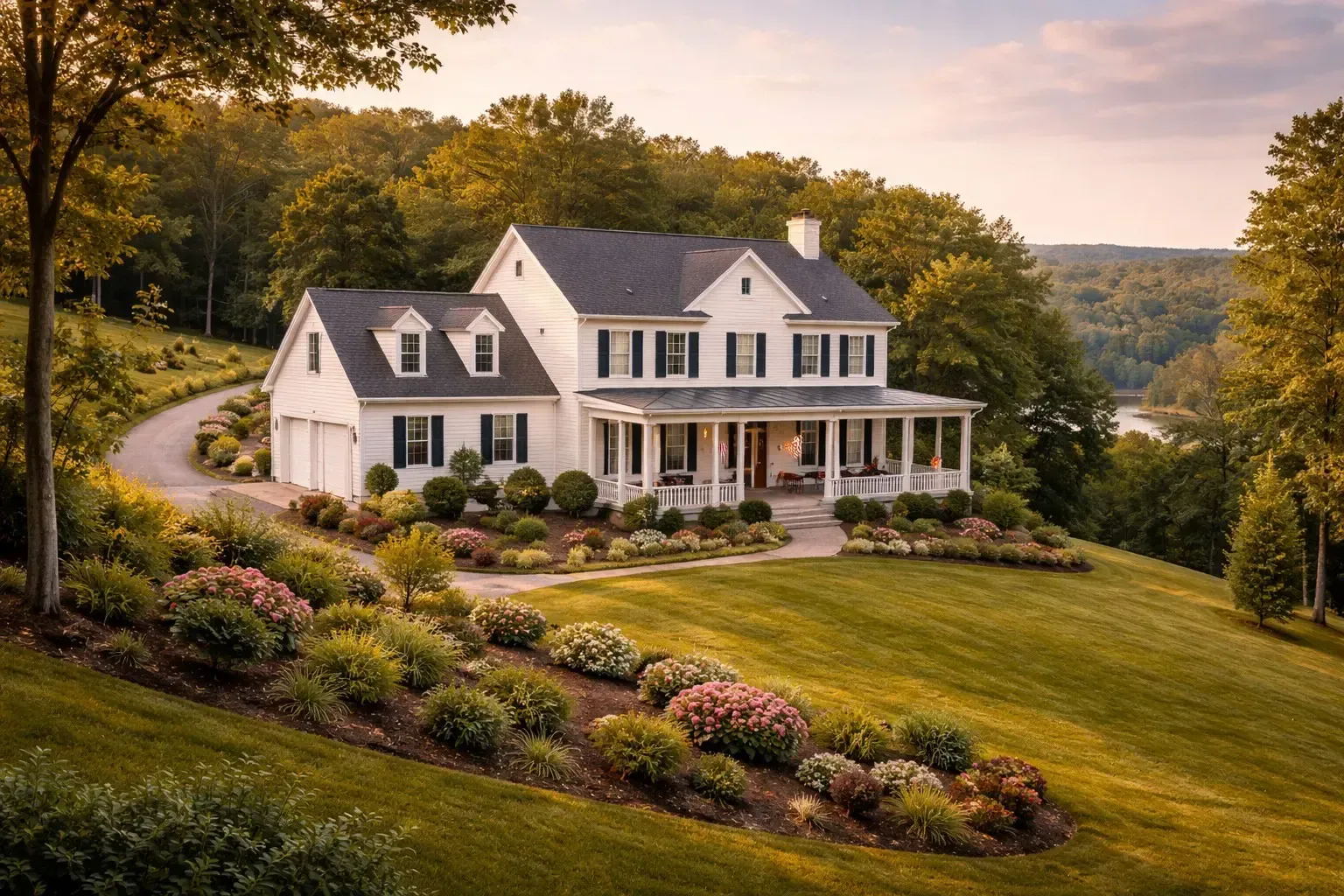
Building on a sloped lot can be an exciting opportunity to create a unique, visually stunning home, but it also presents distinct challenges. Unlike flat terrain, sloping sites demand careful planning to maximize views and ensure structural integrity and long term livability. Whether you’re considering a hillside retreat or a modern home on a slight incline in Delaware or Maryland, here’s a guide to help you plan your build with confidence.
Assess the Site Conditions
To start, assess the specific characteristics of your sloped lot to determine the optimal positioning and construction methods for your home. Is the slope gentle or steep? Are there natural features, such as trees or rocks, that you want to incorporate into your design?
A geotechnical engineer can provide you with valuable insights into soil strength and essential design recommendations for your structure. They can also identify potential challenges to ensure a safer, more efficient construction process.
Choose the Right Foundation
When building on a slope, selecting the appropriate foundation is paramount to ensure stability and safety. A skilled engineer or contractor can help you determine the best option based on the slope’s steepness and soil conditions. Common foundations used include:
- Pier and Beam Foundations: Often used for steeper lots, pier and beam foundations elevate parts of the home, minimizing land disruption and preserving views.
- Stepped Foundations: This foundation follows the lot’s existing contours, providing a level base for construction while reducing excavation requirements.
- Walkout Basements: These integrate a basement level that opens to a yard, offering extra living space and natural light. They are commonly used in moderate slopes.
Design for Views and Sunlight
One of the most significant advantages of a sloped lot is the potential for breathtaking views. Positioning your home based on the sun’s path can also maximize natural light and energy efficiency. When working on a sloping site, consider the following design choices:
- Multi-level or split layouts
- Balconies or decks
- Open floor plans
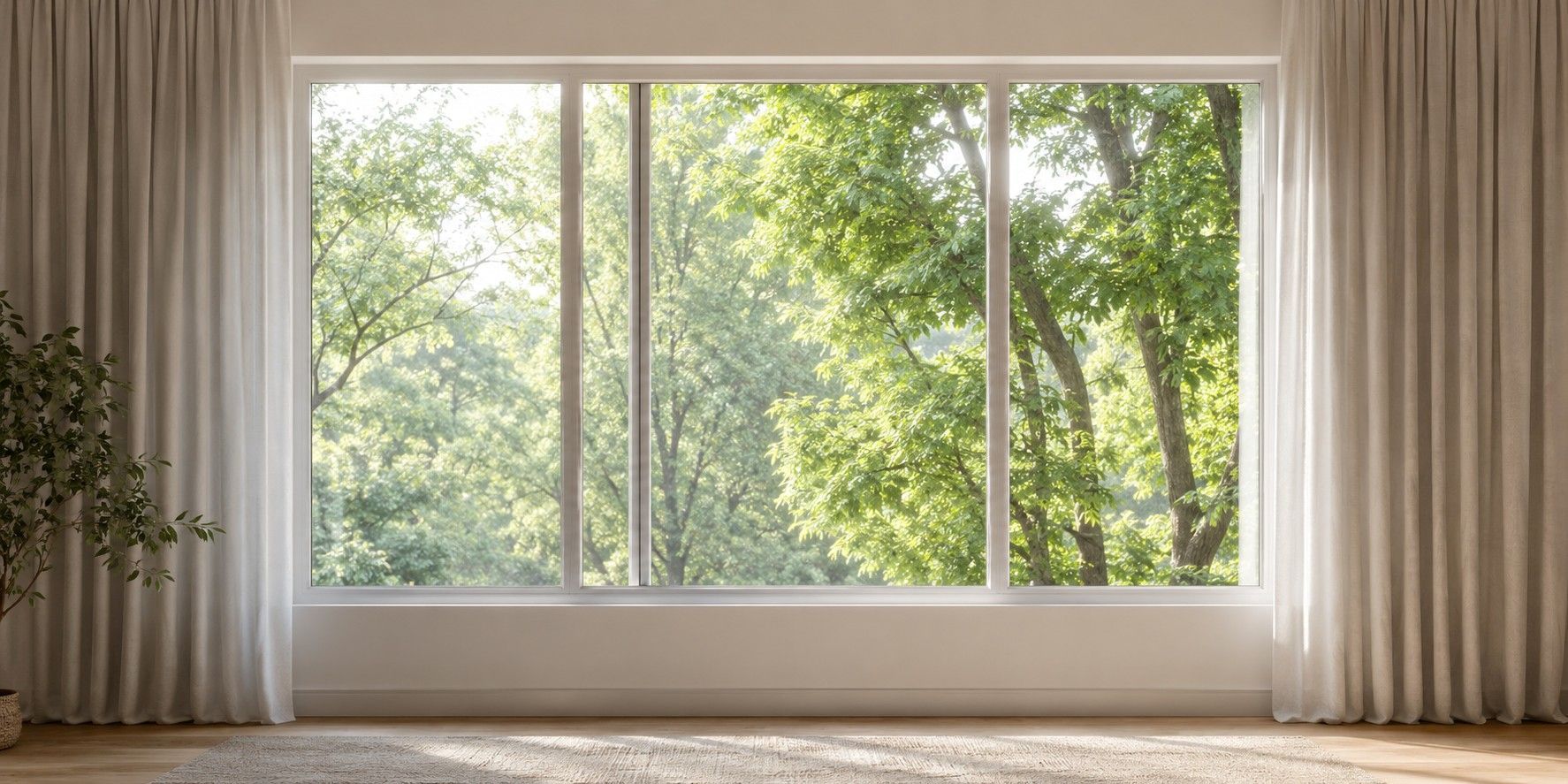
- Large windows
Focus on Drainage and Erosion Control
Proper drainage is crucial when building on a slope to prevent water pooling, soil erosion, and foundation damage. Installing drainage systems, such as swales (shallow channels that direct water), French drains, or rain gardens, helps move water safely away from the home.
Create Your Custom Home With Us
With expert guidance and site-specific planning, you can create a well-integrated home that fits the natural terrain. Working with professionals with experience building on a sloped lot ensures your design is practical, sustainable, and compliant with local regulations. Contact Bay to Beach Builders for a thoughtfully designed custom home in Delaware and Maryland!
SHARE ONLINE