What You Can't Do in a Custom Home — And Why That's a Good Thing
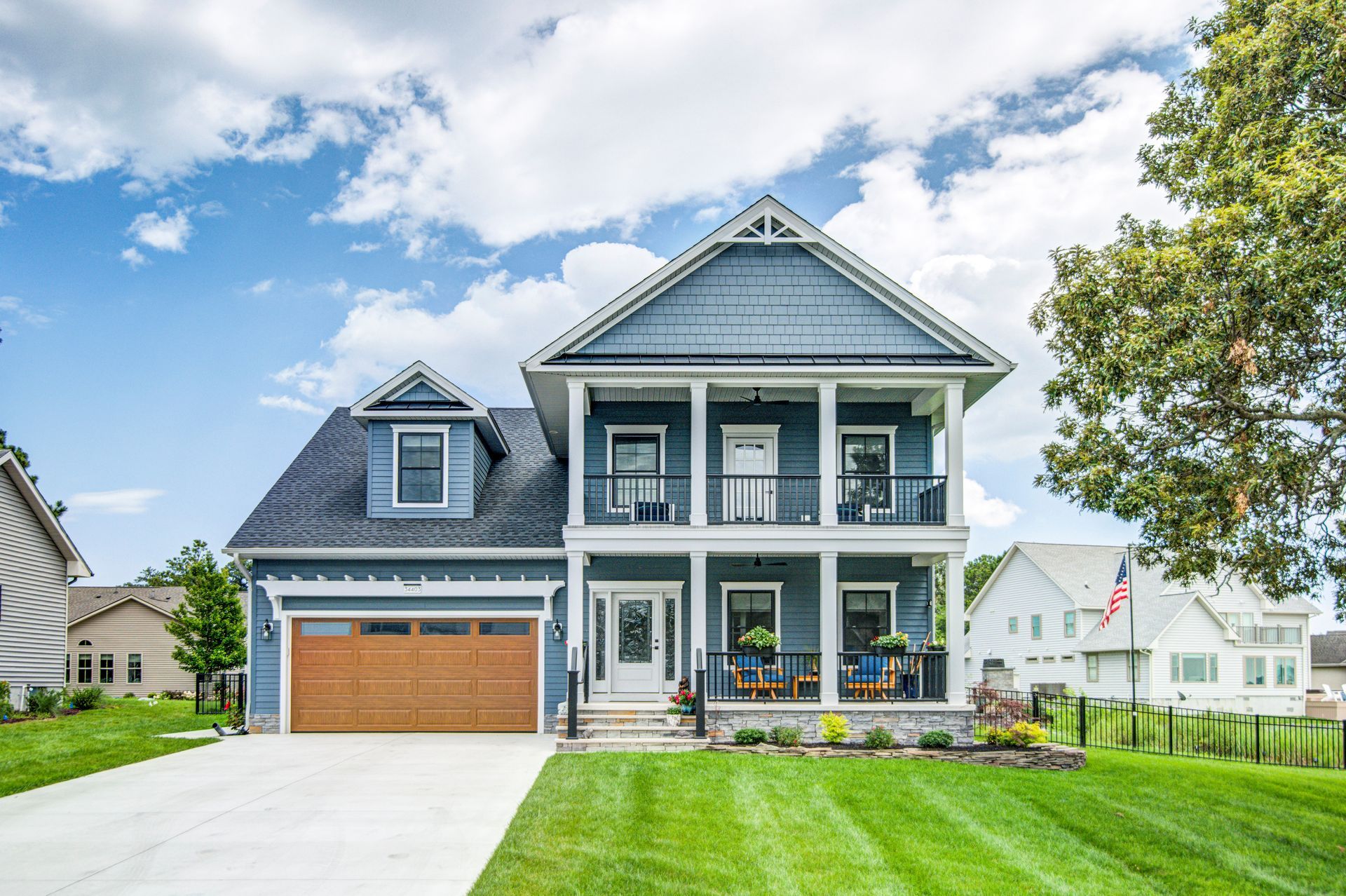
When people hear the phrase “custom home,” they often assume it means unlimited choices and complete freedom. In reality, the most valuable part of building a custom home is what you can’t do—and that’s exactly what makes the experience better. The “can’ts” of custom homebuilding exist to protect quality, craftsmanship, and long-term satisfaction, ultimately resulting in a home that feels more intentional, functional, and personal.
You Can’t Be Limited to One Cabinet Line
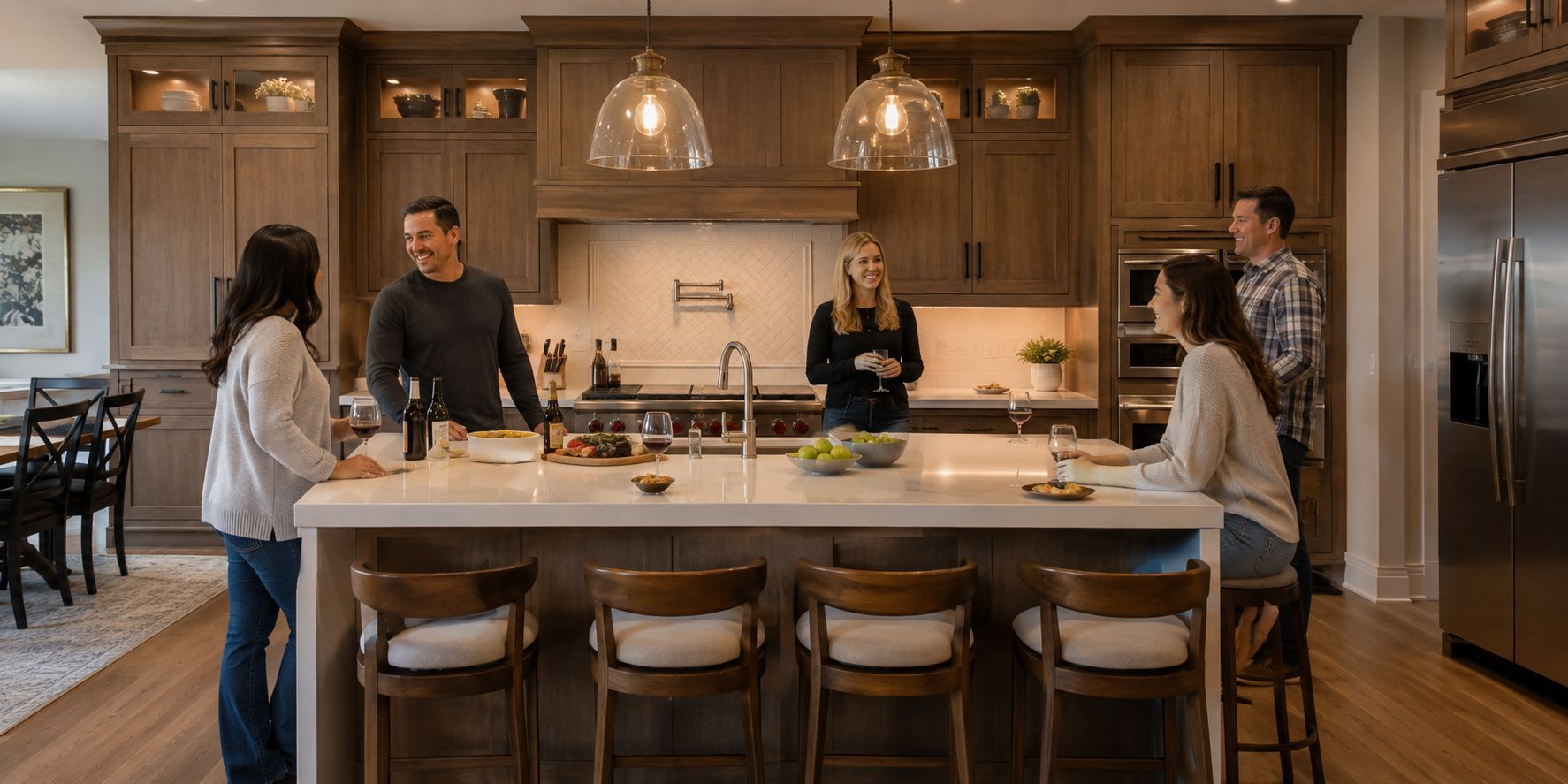
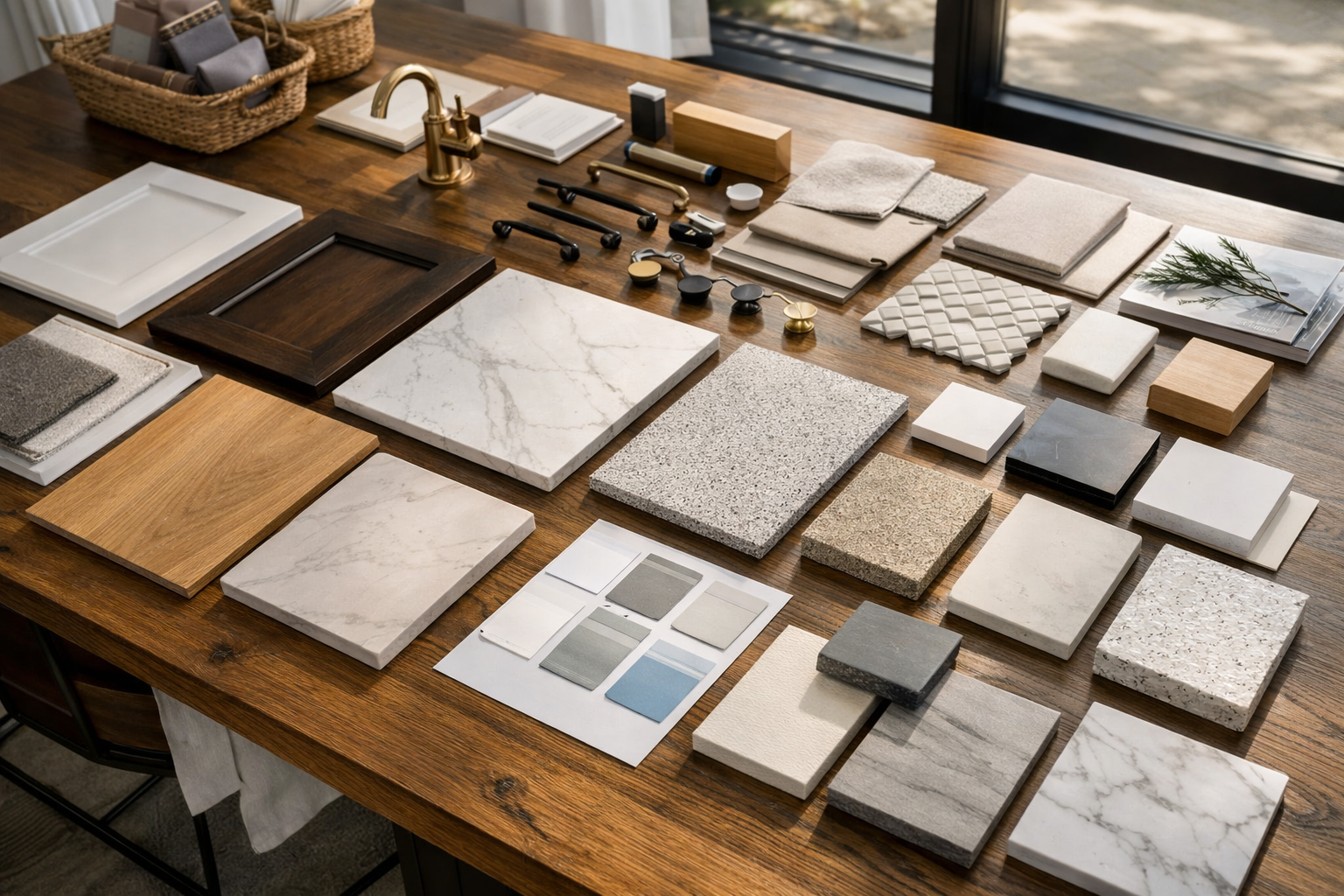
Unlike production homes that restrict homeowners to a single brand and a short list of finishes, a custom home allows for a wide array of cabinet styles, materials, and finishes. Whether you prefer painted, stained, or mixed cabinetry, ogee or beaded doors, or custom sizing to maximize ceiling height and storage, your kitchen is designed around how you live, not what fits a preset catalog. This flexibility results in a space that feels curated, timeless, and truly yours.
You Can’t Be Forced Into a Standard Floor Plan
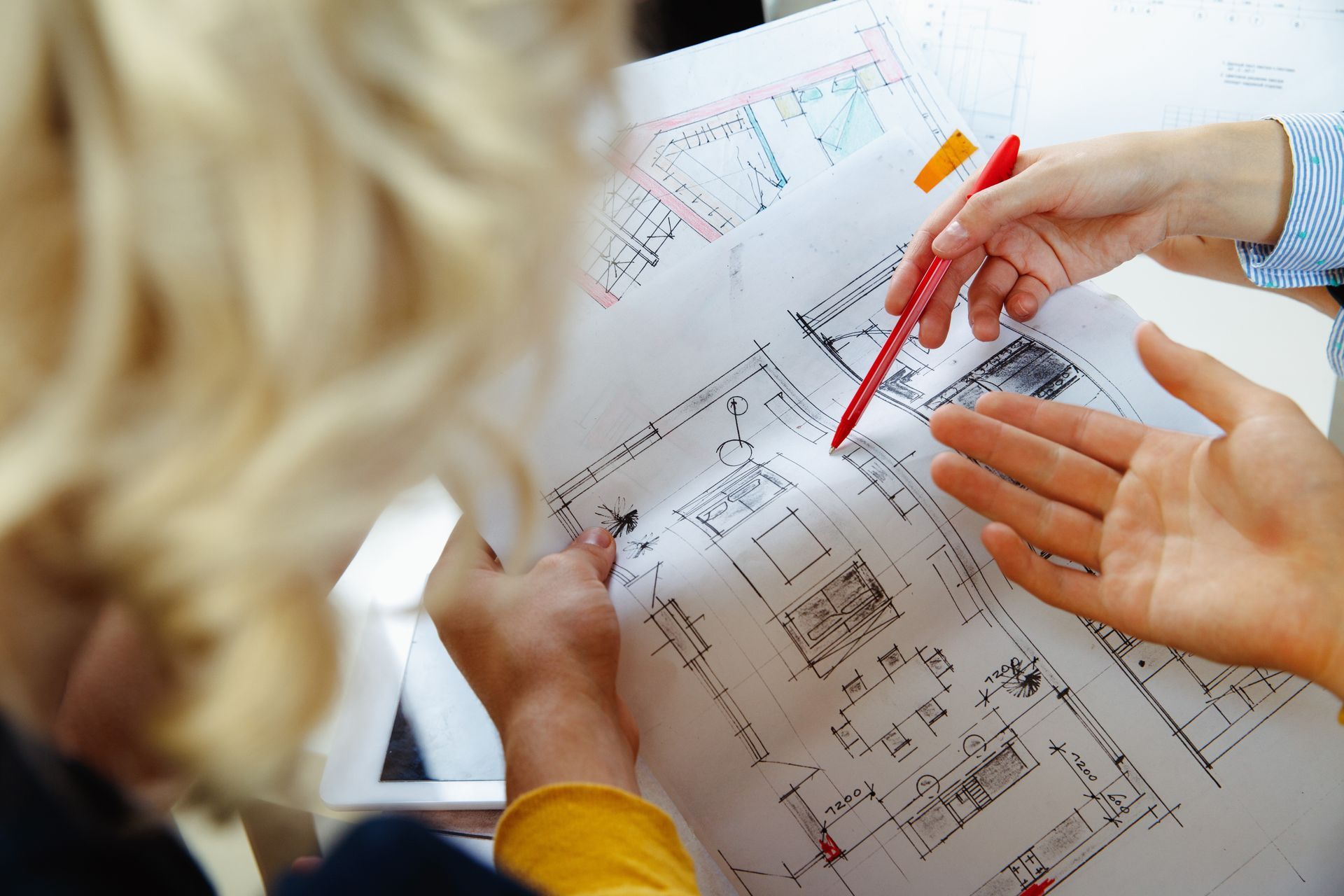
Custom homes are built with flexibility at the forefront. Walls can move, rooms can expand or contract, and spaces can serve multiple purposes. Instead of adjusting your lifestyle to fit a predetermined layout, the home is shaped around how you gather, work, relax, and grow. The result is a layout that functions better today and adapts more easily as your needs change over time.
You Can’t Be Locked Into Builder-Grade Finishes
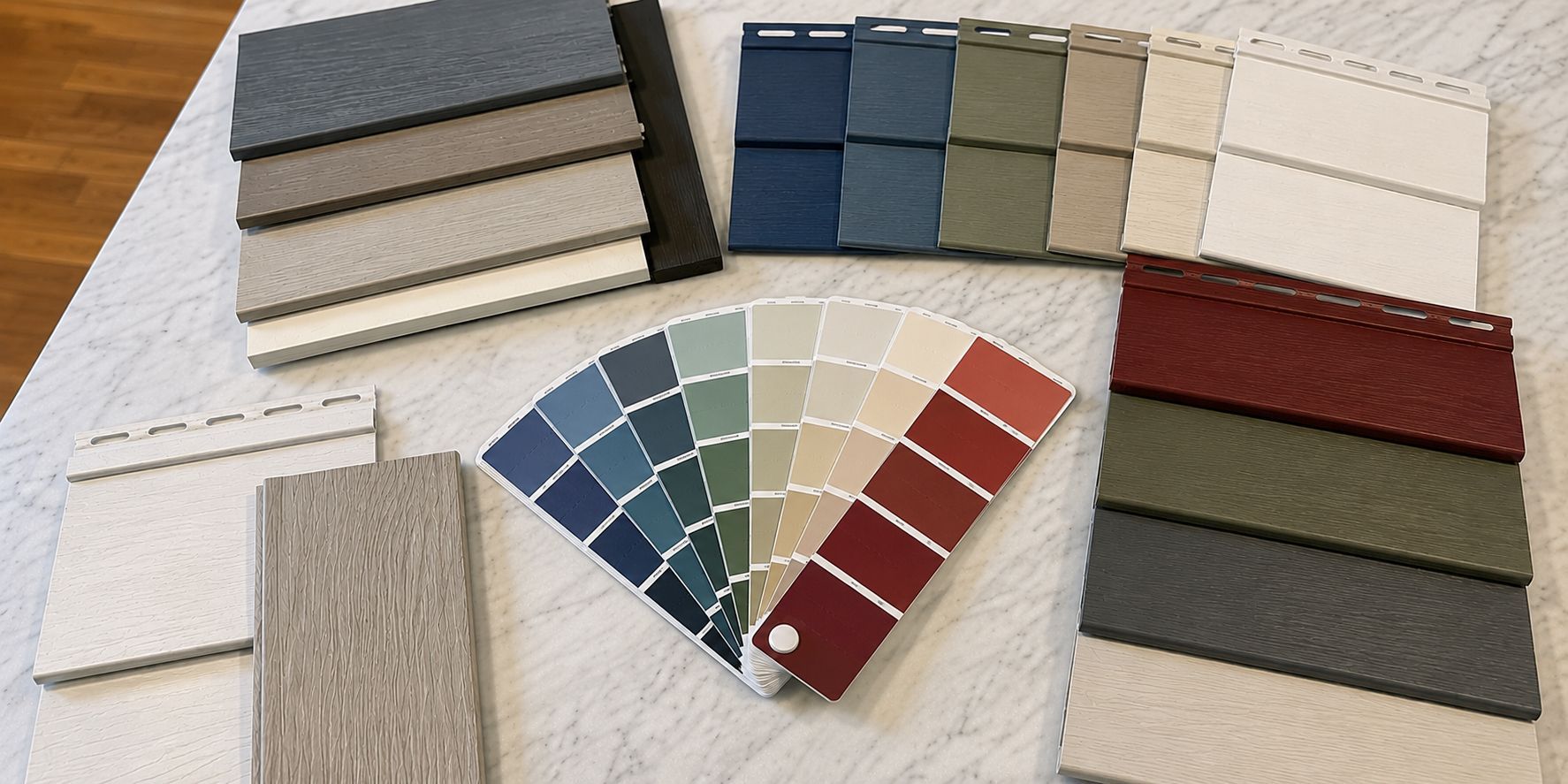
Custom building removes the obligation to accept entry-level flooring, basic trim packages, or generic fixtures. Rather than upgrading everything by default, you’re able to make intentional decisions about where quality matters most. This approach allows you to invest in features that provide long-term durability and daily enjoyment while simplifying in areas that are less impactful for your lifestyle.
You Can’t Ignore How Your Lot Impacts Your Home
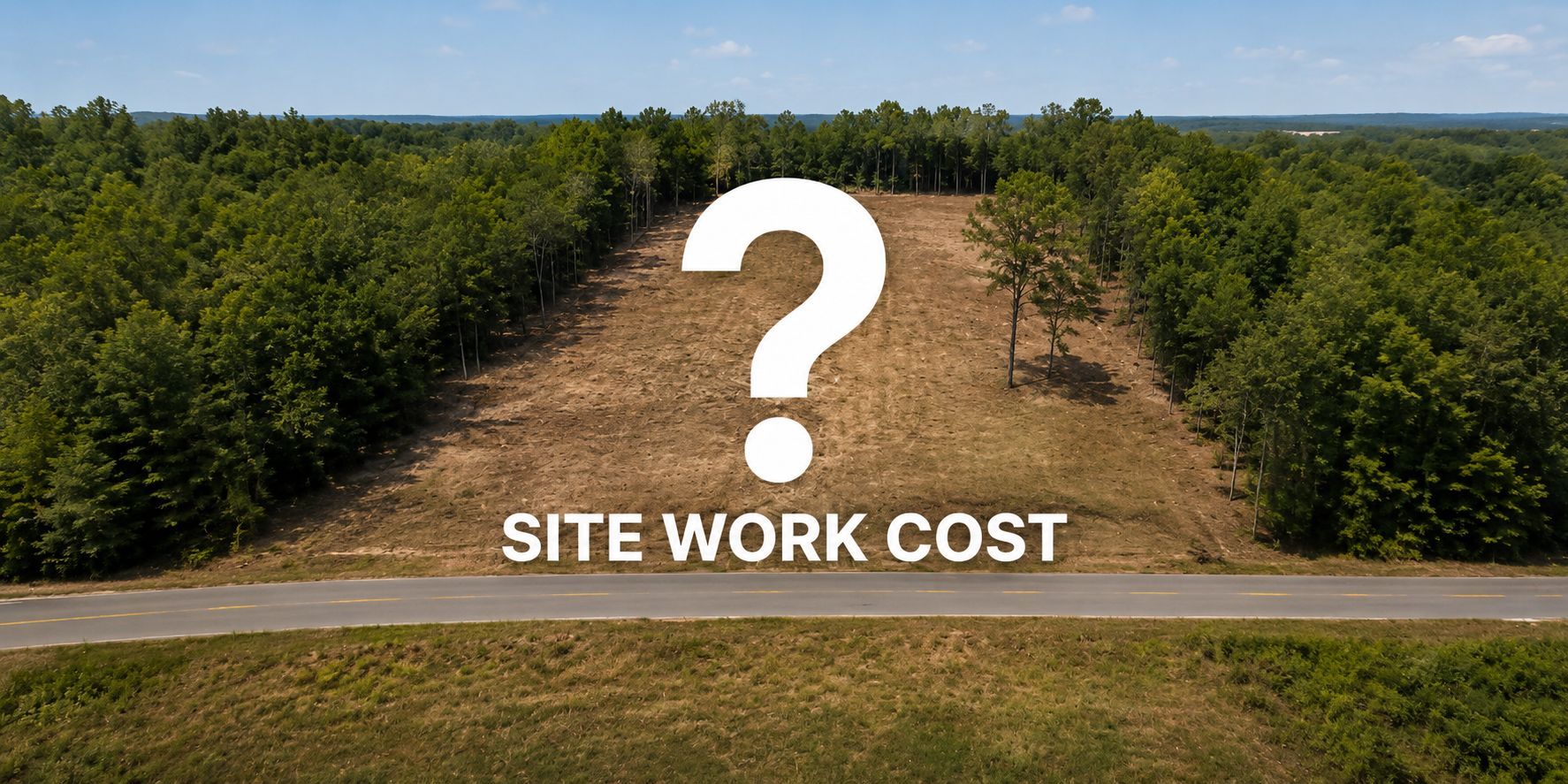
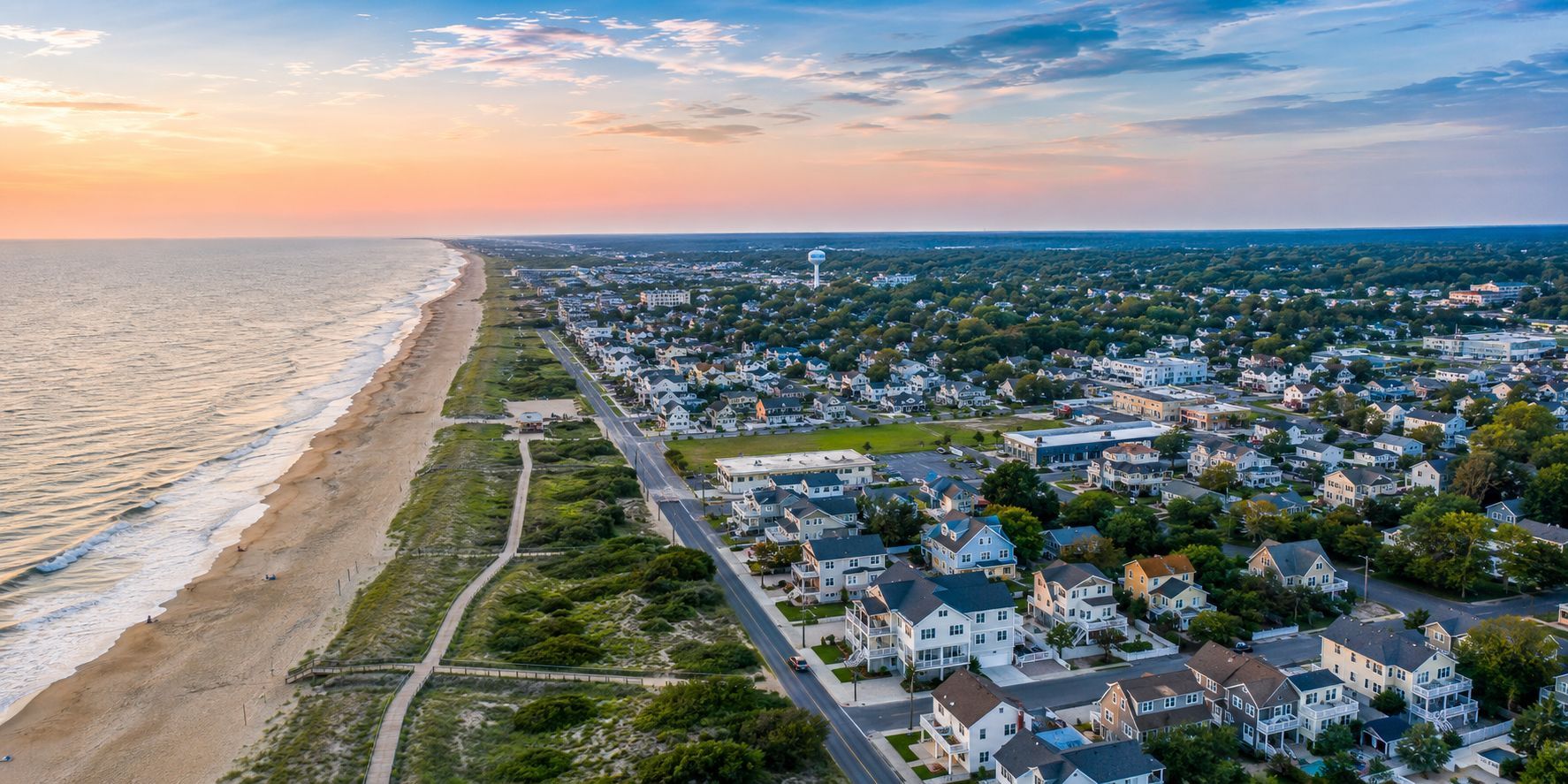
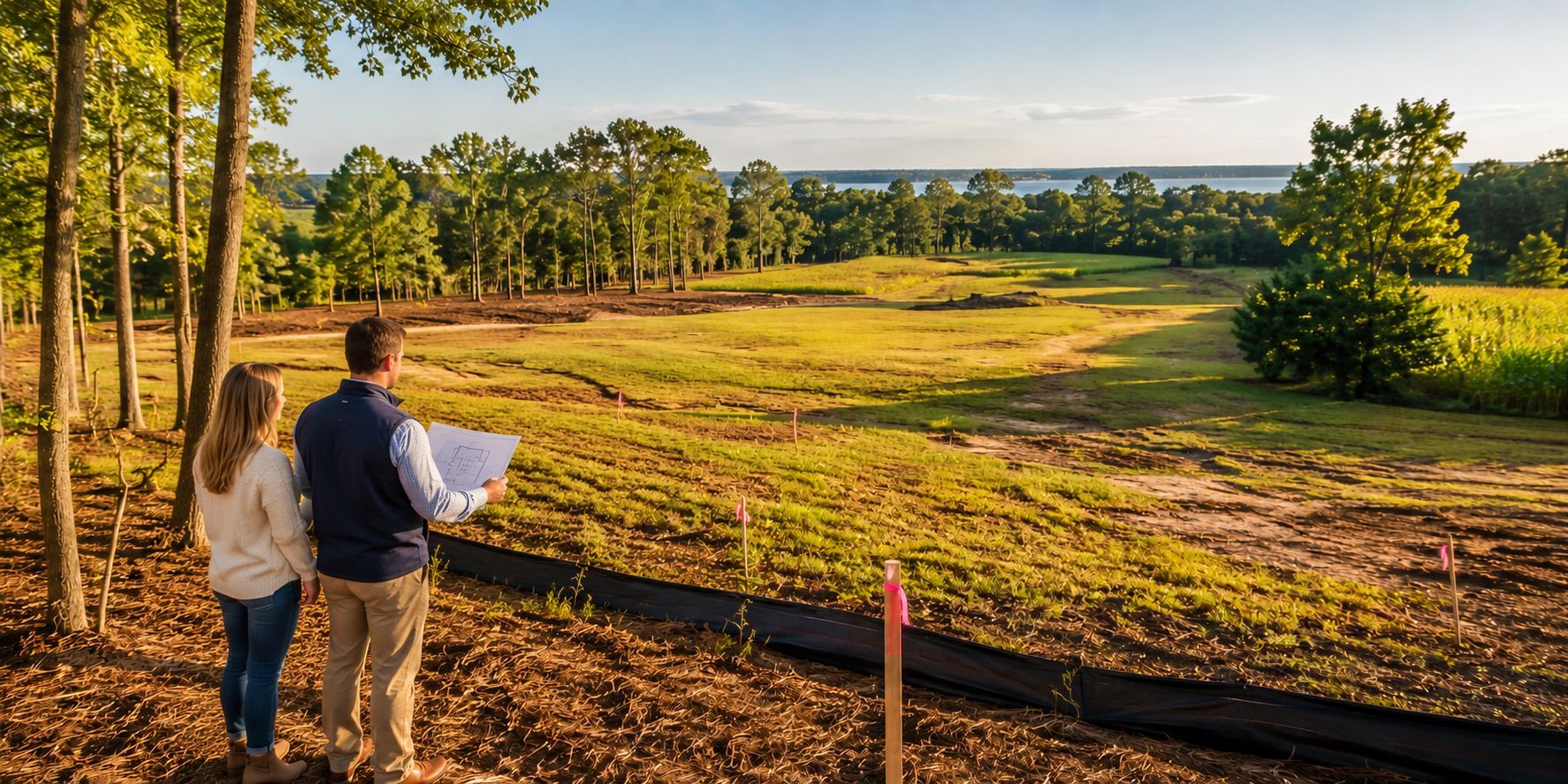
A true custom home responds to the land it sits on. Design decisions are influenced by sun orientation, views, privacy, elevation requirements, and unique lot characteristics such as narrow widths or infill conditions. By designing with the lot in mind, homeowners benefit from improved natural light, better energy efficiency, and a home that feels naturally connected to its surroundings.
You Can’t Rush the Design Process
While it may require more upfront planning, a thoughtful design process prevents costly mistakes later. Custom homebuilding involves meaningful conversations, realistic trade-offs, and clear expectations before construction begins. Taking the time to plan thoroughly leads to fewer change orders, reduced stress, and a smoother building experience from start to finish.
You Can’t Treat a Custom Home Like a Checklist
Custom building isn’t about selecting finishes from a menu or chasing short-term trends. It’s about crafting a home that supports your lifestyle today while still making sense for the future. From flexible living spaces to long-term planning for resale or aging in place, every decision is intentional, personal, and rooted in how you want to live.
In the end, custom homes aren’t about unlimited choices, they’re about better ones! The things you “can’t” do in a custom home are the very things that protect craftsmanship, functionality, and long-term satisfaction. When approached thoughtfully, those limitations are what transform a house into a home that truly fits the way you live.
If you can’t risk building a home that is not fully-catered to you, contact us today to learn more!
SHARE ONLINE