Where Should You Spend Your Money When Building a Custom Home? 10 Upgrades Worth Considering
Where Should You Spend Your Money When Building a Custom Home?
When you're building a custom home, it's surprisingly easy for the wish list to grow.
Larger kitchen island? Absolutely. Covered porch? Sounds great. Upgraded flooring? Add it. More windows? Why not?
Then the numbers start adding up.
One of the biggest advantages of building a custom home is having control over where your money goes. But that also means deciding which features deserve more of your budget, and which ones could potentially wait until after moving in. That's particularly important in today's market.
The National Association of Home Builders reported in August 2026 that builders experienced a median 6.7% increase in material costs over the previous 12 months. Nearly 73% of the builders surveyed said material costs for the same home had increased by as much as 15%.
Meanwhile, current design trends show buyers placing greater emphasis on flexible rooms, natural materials, large windows, indoor-outdoor connections and homes that simply work better for everyday life.
So, if you can't upgrade everything, where should the money go?
Here are ten areas worth considering when planning a custom home in Delaware or Maryland's Eastern Shore.
Spend on Things That Are Difficult to Change Later
Here's a simple rule to remember throughout the custom-home process:
The harder something will be to change after construction, the more carefully you should consider it now.
Paint can be changed. A light fixture can be replaced. Cabinet hardware can be swapped. Moving an exterior wall? That's a different story.
Before spending heavily on cosmetic selections, make sure you're happy with the fundamentals of the home.
That includes:
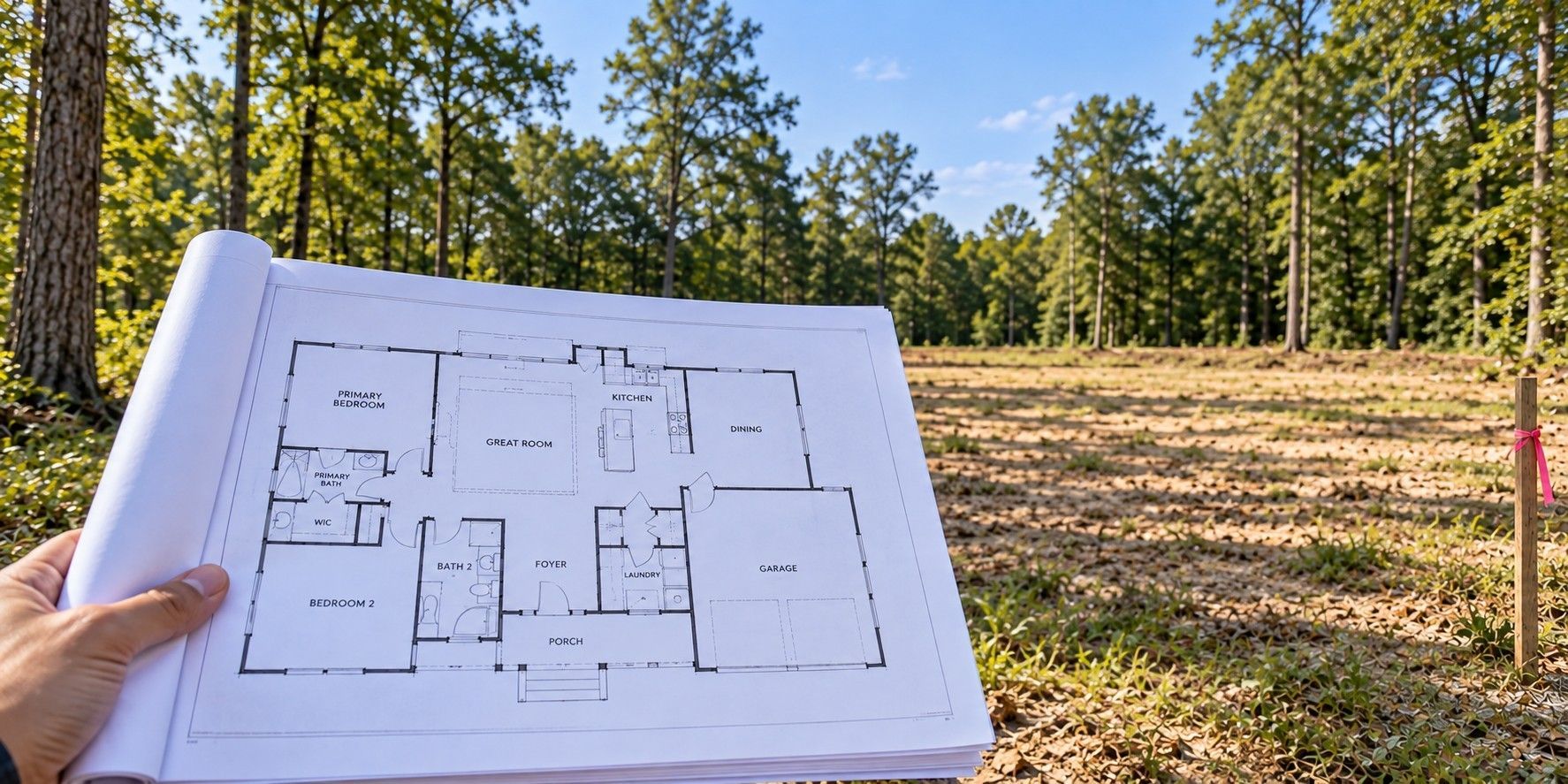
- Floor-plan layout
- Room dimensions
- Ceiling heights
- Window locations
- Exterior doors
- Garage size
- Electrical locations
- Plumbing locations
- Structural features
- Outdoor living spaces
If your budget requires tradeoffs, prioritize the home's bones before its decoration.
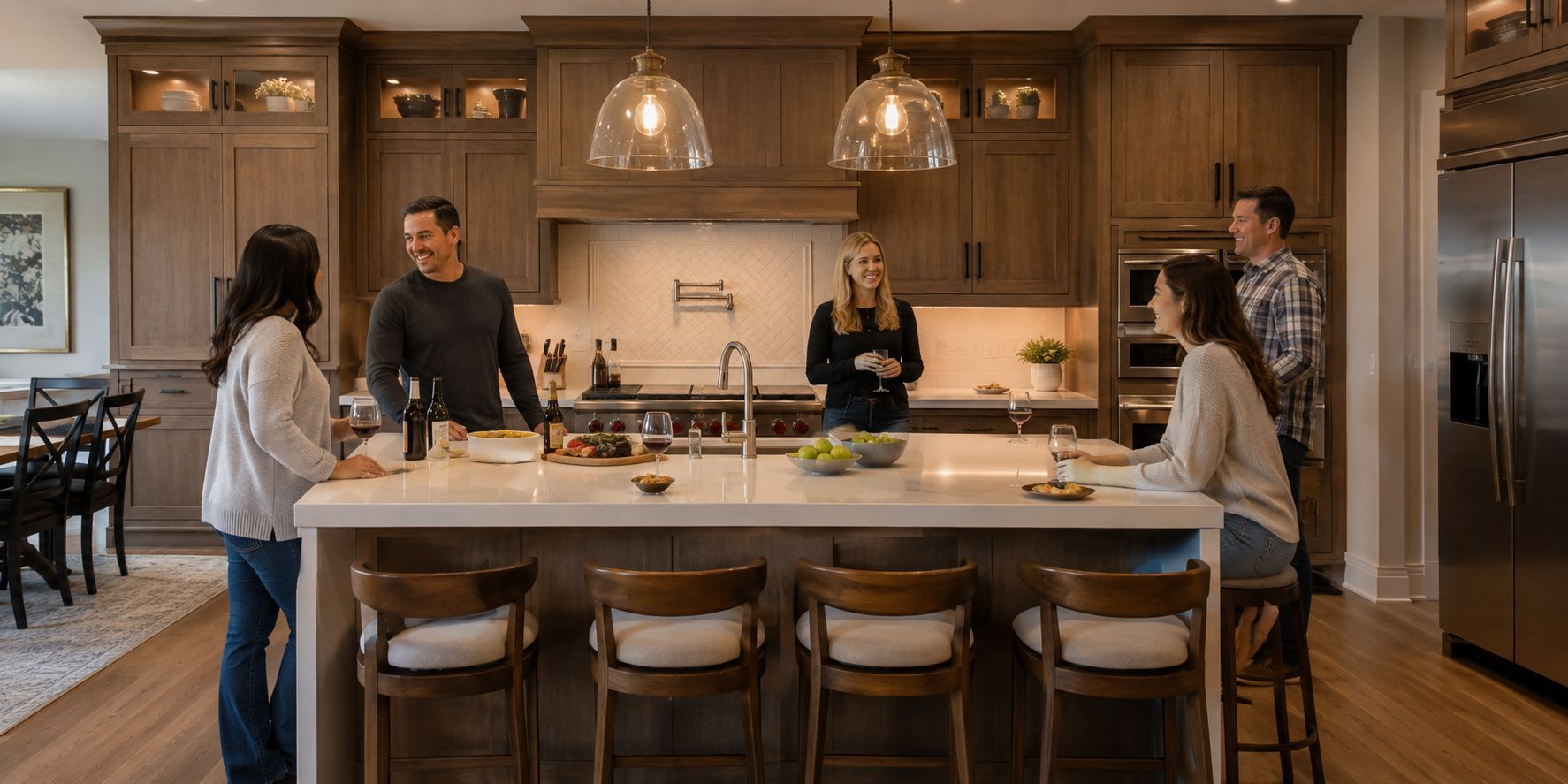
Invest in the Kitchen You Will Actually Use
The kitchen continues to be one of the most important spaces in a custom home, but spending more doesn't automatically make it better.
Start with functionality. Think through your normal routine. Where will groceries enter the home? Where will the refrigerator be located? How close is the pantry? Where will the trash go? Where will small appliances be stored? Where will people sit? Where will guests gather while you're cooking?
A thoughtfully designed kitchen may include:
- Large island
- Deep drawers
- Walk-in pantry
- Cabinet storage organizers
- Trash and recycling pullouts
- Additional outlets
- Under-cabinet lighting
- Dedicated appliance storage
Before upgrading the countertop simply because you like the pattern, make sure the kitchen itself works. Good design will affect your everyday life more than an expensive finish.
Consider More Windows and Natural Light
Windows are becoming a major architectural feature in 2026. Current design research highlighted by NAHB shows homeowners gravitating toward larger windows, stronger connections to nature and more natural light. Windows are increasingly being treated as a central design feature rather than simply openings in a wall.
This is one area worth thinking about during construction because adding a large window later isn't as simple as replacing a light fixture.
Consider where you will want:
- Morning sunlight
- Backyard views
- Natural light in hallways
- Additional kitchen light
- Views from the primary bedroom
- Connections between indoor and outdoor spaces
Window placement can dramatically change how a room feels without adding a single square foot. Just remember that bigger isn't automatically better. Window size, orientation, energy performance and privacy should all work together.
Don't Underestimate the Value of Storage
Storage isn't usually the feature that gets the most attention on social media. But after you move in? You'll appreciate it every day.
Consider adding storage where it naturally supports how you live:
- Walk-in pantry
- Mudroom lockers
- Linen closets
- Larger bedroom closets
- Kitchen drawers
- Garage storage
- Laundry storage
- Accessible attic storage
- Bathroom cabinetry
A well-designed 1,800-square-foot home with excellent storage can sometimes feel more functional than a 2,200-square-foot home without it. That's why storage deserves to be considered during floor plan development, not after the home is already designed.
Put Money Behind the Walls
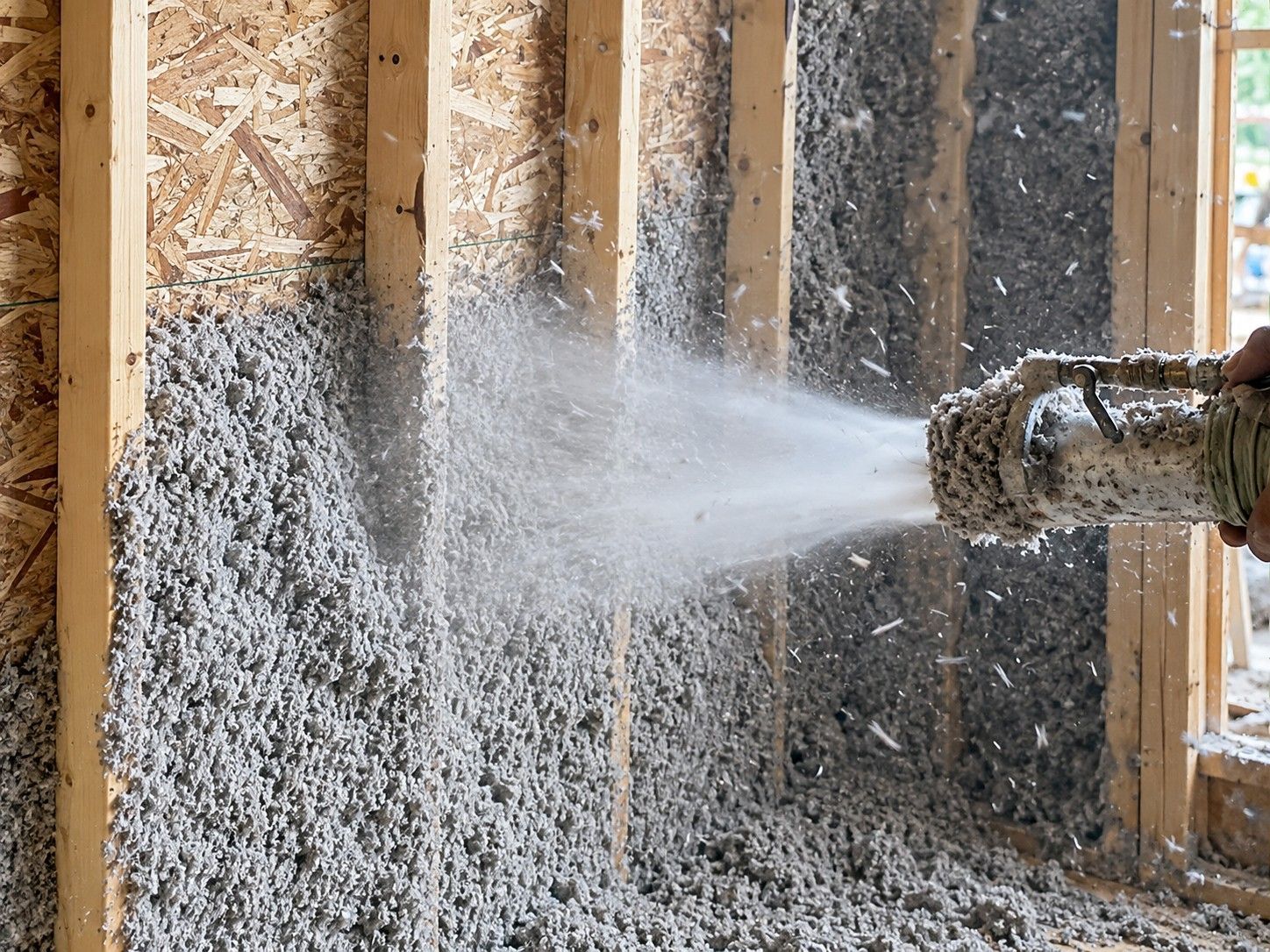
Some of the least exciting upgrades can be among the most valuable. You won't show guests your insulation. You probably won't post your air sealing on Instagram. But these features influence how your home performs every day.
Consider:
- Insulation
- Air sealing
- Quality windows
- HVAC design
- Moisture management
- Proper flashing
- Ventilation
This has become particularly relevant for custom home buyers. Delaware notes that updated energy codes can reduce energy use, support utility savings and improve comfort and building resilience. These aren't cosmetic upgrades. They're part of how your home functions.
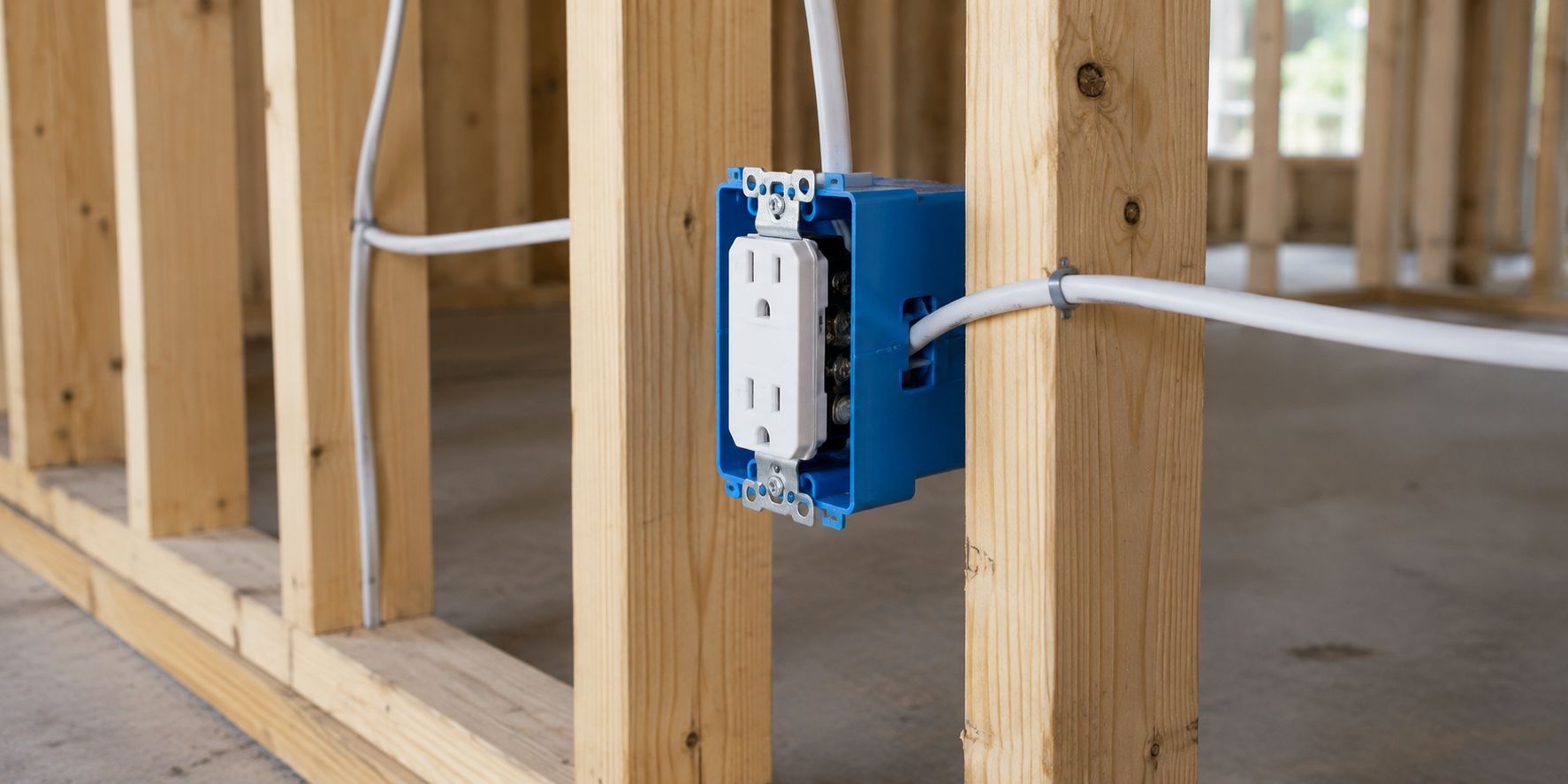
Add Electrical While the Walls Are Open
This is one of the easiest areas to overlook. Walk through your floor plan and imagine living there. Where will you charge your phone? Where will the television go? Where will you plug in holiday decorations? Will you have nightstands on both sides of the bed? Do you want outlets in the pantry? What about the kitchen island? Garage? Covered porch? Home office? You get the idea.
You may also want to consider:
- Additional exterior outlets
- Dedicated appliance circuits
- USB-C outlets
- Floor outlets
- Garage outlets
- EV charging
- Generator connections
- Structured networking
- Security cameras
- Landscape lighting
NAHB reports that 40% of builders surveyed are incorporating EV charging stations into new homes, reflecting the growing emphasis on future-ready electrical infrastructure.
Adding electrical infrastructure during construction is generally much easier than opening finished walls later.
Consider the Covered Porch Now
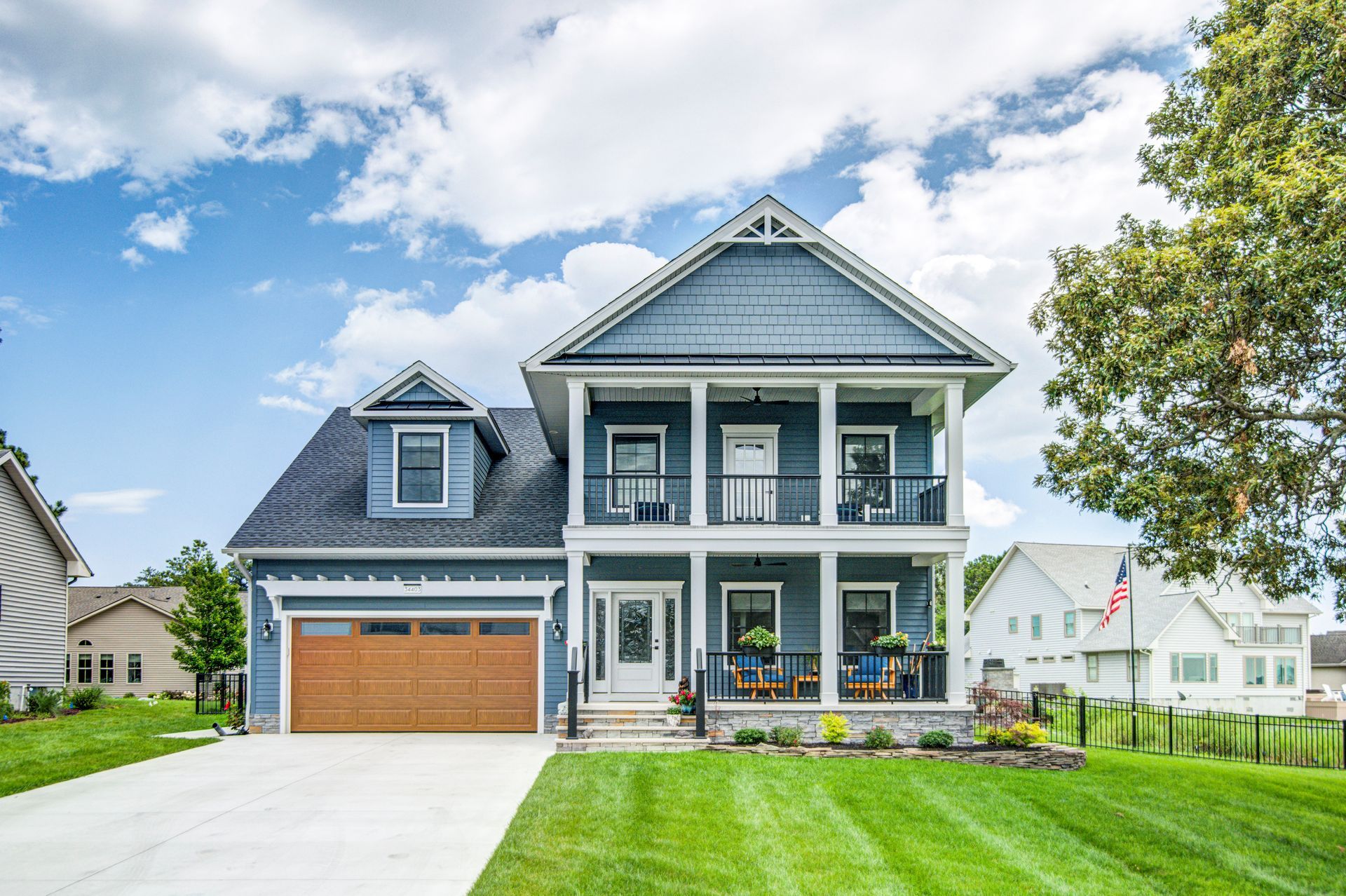
Outdoor living continues to play a major role in new-home design. NAHB reports that builders are increasingly using patios, front porches and decks to expand usable living areas, while current design trends continue emphasizing stronger indoor-outdoor connections.
This is especially relevant in Delaware and Maryland's Eastern Shore.
A covered or screened porch can become:
- Outdoor dining area
- Entertaining space
- Reading area
- Morning coffee spot
- Game-day space
- Additional gathering area
If you know you eventually want one, discuss it during initial design. Adding a porch later may involve foundations, roofing, siding, electrical, doors and other work that can make it considerably more complicated than incorporating it into the original home.
Upgrade the Primary Bathroom Strategically
You don't necessarily need the largest bathroom possible. Instead, spend where you'll notice it.
That might include:
- Larger shower
- Handheld showerhead
- Built-in shower niche
- Additional vanity storage
- Comfort-height vanity
- Better lighting
- Separate water closet
- Linen storage
Think long-term too. Curbless or low-threshold showers, wider doorways and thoughtful fixture placement can improve convenience now while making the home more adaptable later. The goal isn't simply creating a beautiful bathroom. It's creating one that works well every morning and evening for years.
Think Twice Before Cutting Garage Space
Garages have a habit of becoming more than garages.
They store:
- Vehicles
- Bikes
- Tools
- Lawn equipment
- Beach gear
- Holiday decorations
- Sports equipment
- Trash cans
- Freezers
- Workbenches
On the Eastern Shore, there may also be fishing, boating or outdoor equipment competing for space. Before reducing garage dimensions to save money, think about how you'll use it. A few extra feet may make the difference between comfortably opening vehicle doors and squeezing around storage for the next 20 years.
This is another feature that's difficult to expand after the home is complete.
Spend on What Matters to Your Lifestyle
This may be the most important point. Not every popular upgrade is worth it for every homeowner.
If you never take baths, don't spend thousands creating an elaborate freestanding-tub area simply because it's trending. If you rarely entertain, you may not need an enormous dining room. If you work remotely every day, however, investing in a well-designed home office could be one of the best decisions you make.
Current design trends strongly favor flex and multipurpose spaces because homeowners want rooms that adapt to real life rather than serving one narrow purpose. Your custom home should reflect how you live, not a checklist of features someone else says a new home should have.
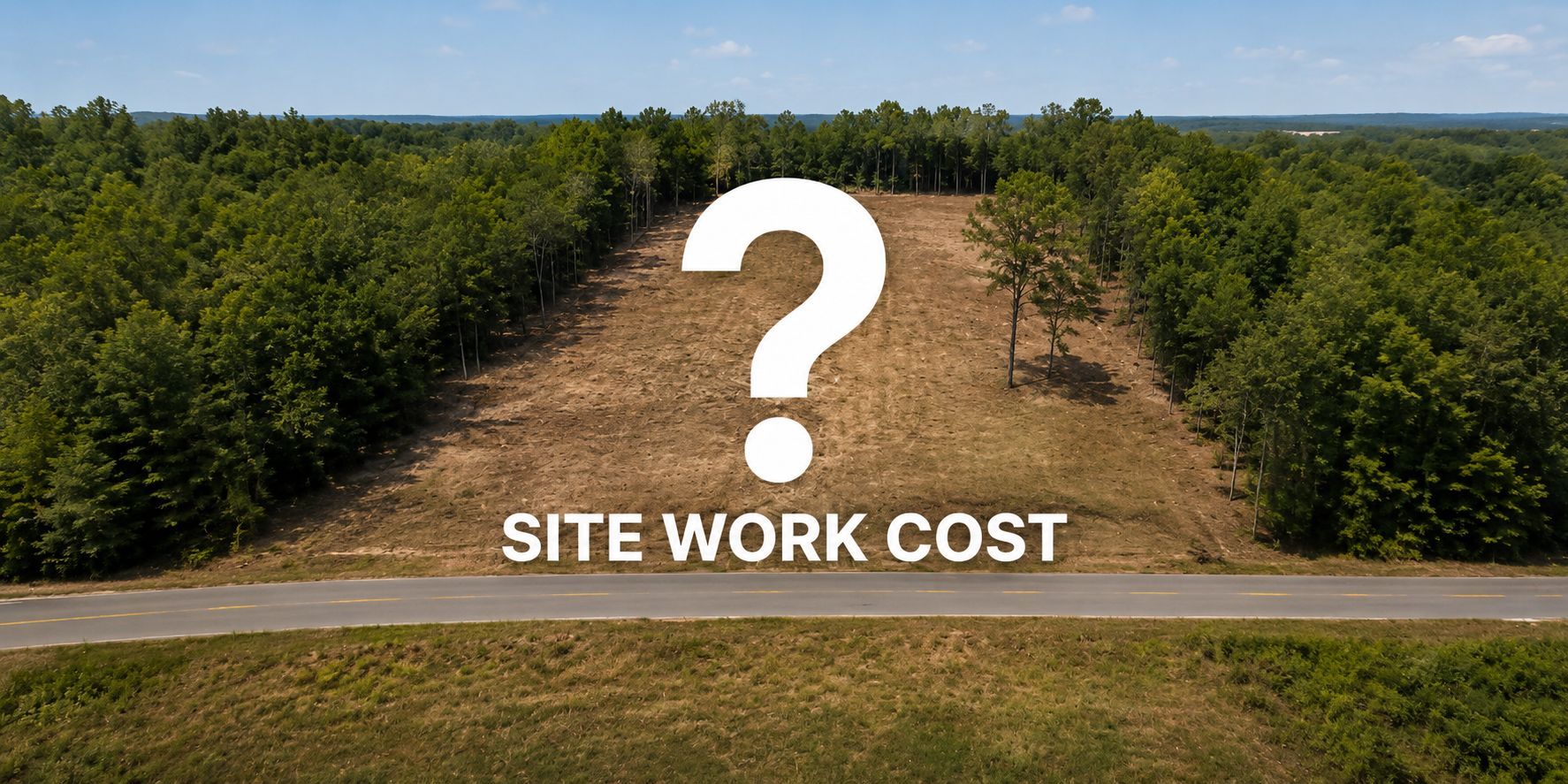
Lot Selection: Don't Let the Homesite Consume Your Upgrade Budget
Your upgrade budget doesn't exist separately from your property. Before deciding how much you can spend on the house, understand what the land may require.
Potential site-development expenses can include:
- Clearing
- Excavation
- Grading
- Well
- Septic
- Driveway
- Culvert
- Utility connections
- Drainage improvements
- Demolition
For custom-home buyers, the takeaway is straightforward: Know what your property will cost to develop before allocating your entire budget to the house.
Financing: Create an Upgrade Allowance Before Selections Begin
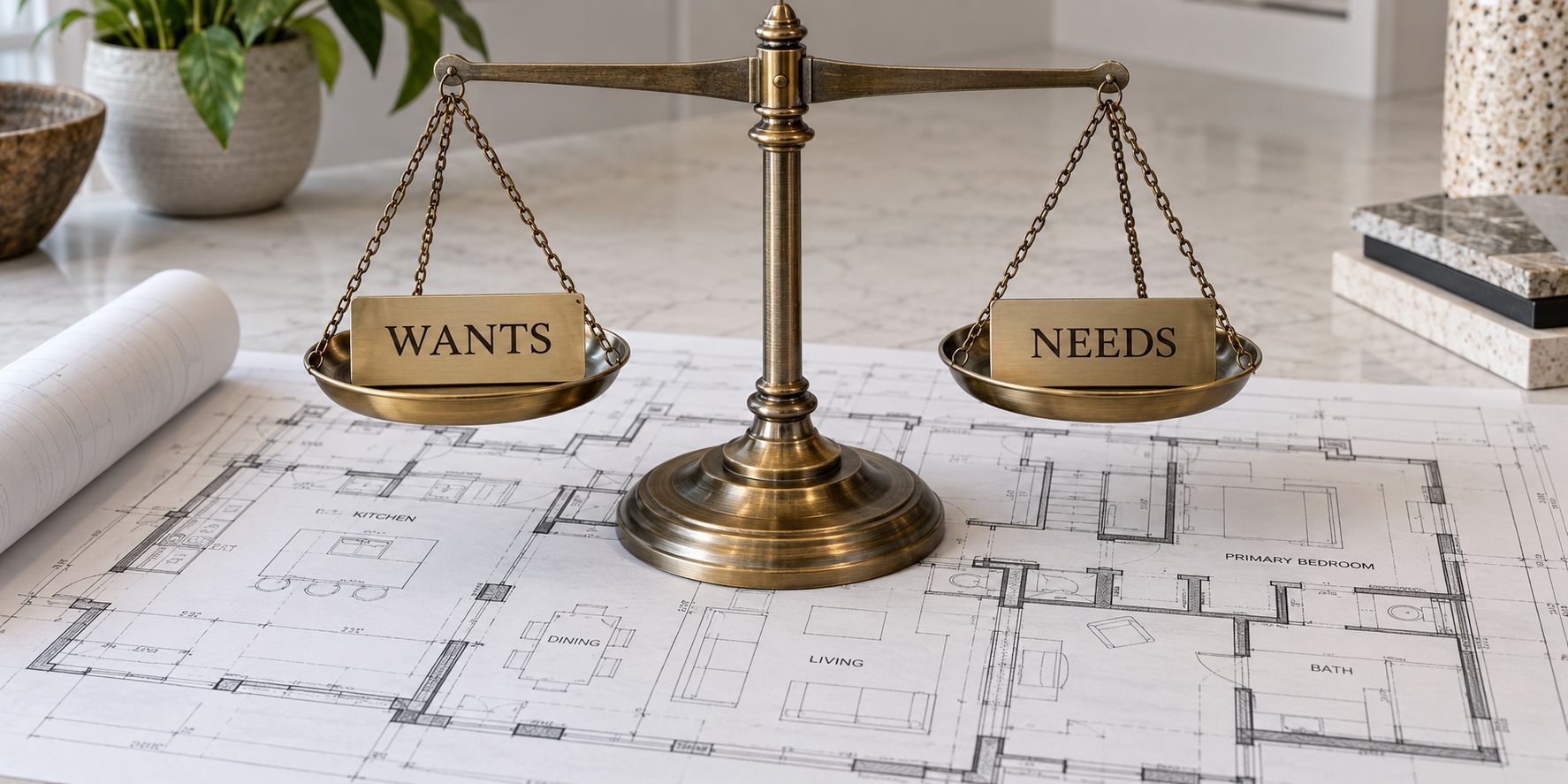
Selections become much easier when you establish a realistic budget beforehand. Rather than deciding on every upgrade individually, consider creating categories.
For example:
Must Have
Features you won't compromise on.
Would Really Like
Features you'll add if the budget allows.
Can Add Later
Items that aren't necessary during initial construction.
This approach helps prevent emotional decisions during selections. It's also important to maintain financial breathing room. Your lender can help you understand how upgrades affect your total loan amount and estimated payment.
Don't look only at: "How much does this upgrade cost?" Also ask: "How does this affect the total project and our long-term budget?"
Designing: 2026 Is Getting Warmer and More Personal
If you're wondering what's currently trending, 2026 design is moving away from some of the stark looks that dominated the last several years.
Current NAHB design research highlights:
- Warm neutral interiors
- Natural wood
- Nature-inspired materials
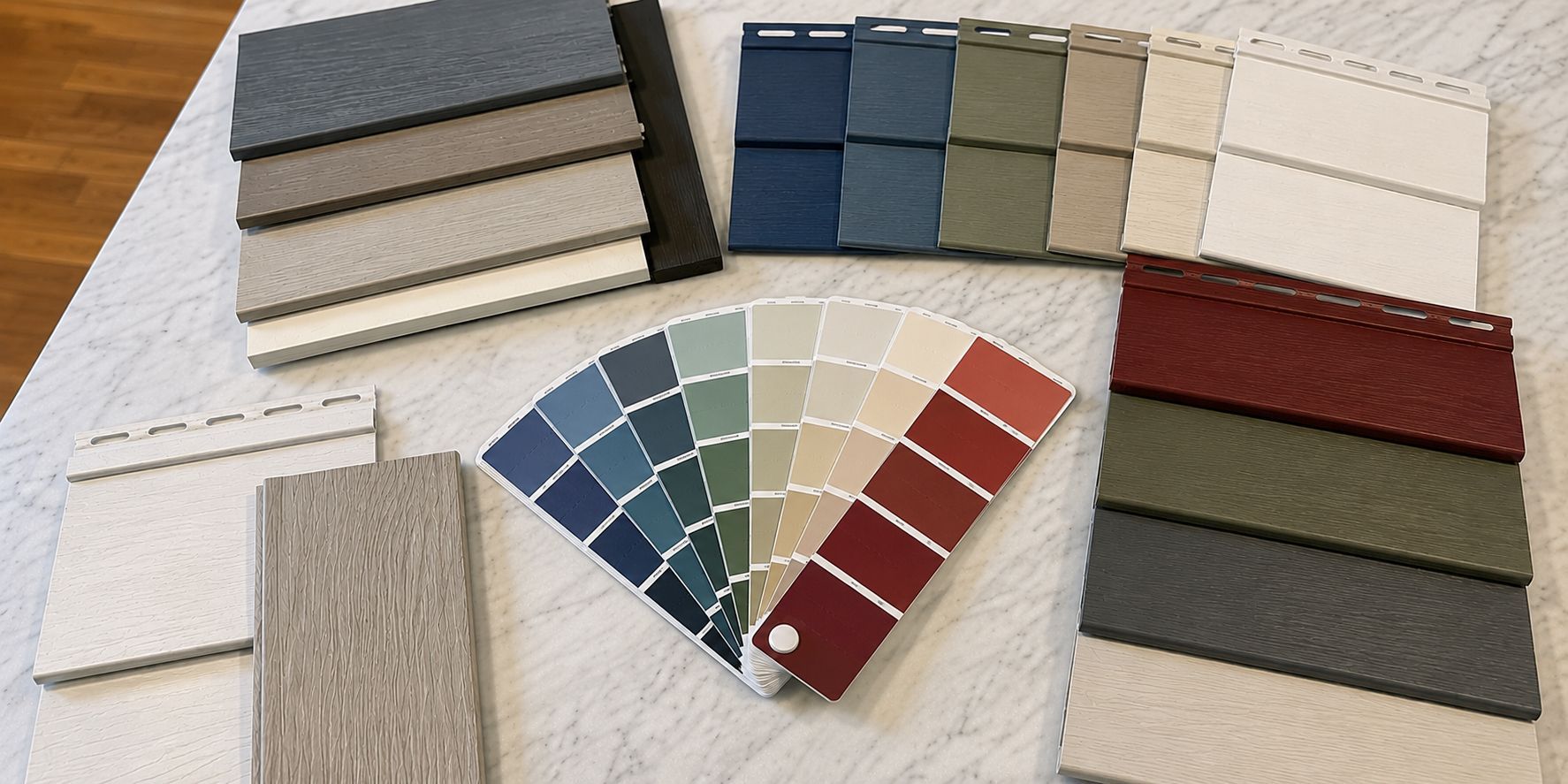
- Richer exterior colors
- Darker exterior finishes
- Large windows
- Arched openings
- Vaulted and cathedral ceilings
- Ceiling beams
- Statement doors
- Flexible spaces
The important word here is personal. Rather than building an all-white home because that's what everyone else has, homeowners are becoming more comfortable incorporating character.
That's particularly appropriate for a custom home. Trends can provide inspiration. They shouldn't dictate every selection.
Home Maintenance: Spend More Where It Could Mean Less Work Later
Another way to evaluate an upgrade is to ask: Could spending more now reduce maintenance later?
Depending on your home and preferences, that may mean considering:
- Low-maintenance siding
- Composite decking
- Durable flooring
- Quality windows
- Quartz countertops
- Better exterior finishes
But no material is completely maintenance-free.
After moving in, create a seasonal maintenance schedule covering items such as:
- HVAC filters
- Gutters
- Exterior caulking
- Roofing
- Drainage
- Septic
- Well equipment
- Decks and porches
- Exterior finishes
- Indoor humidity
Protecting what you've already invested in is one of the best ways to control long-term homeownership costs.
What Can You Upgrade Later?
If your budget is getting tight, some features may be easier to postpone than others.
Depending on your home design, examples might include:
- Decorative light fixtures
- Cabinet hardware
- Interior paint colors
- Some closet organization
- Window treatments
- Furniture
- Certain landscaping
- Decorative wall treatments
Compare that with features such as:
- Room dimensions
- Garage size
- Ceiling height
- Window openings
- Plumbing locations
- Covered porches
- Structural changes
Those are generally much more difficult to alter later. This gives you a useful framework when the budget requires a decision: If it's easy to change later, it may not need to consume today's construction budget.
Final Thoughts
There isn't one universal list of upgrades every custom-home buyer should choose. That's the entire point of building custom. Your money should go toward the features that improve your everyday life, your home's performance and your long-term enjoyment of the property.
Start with the things that are difficult to change. Prioritize the floor plan, think about storage, plan your electrical, invest behind the walls, consider outdoor living, and don't overlook the homesite itself. Then use the remaining budget to personalize the finishes you'll see every day.
In a year when material costs and overall housing affordability remain major concerns, being intentional about where you spend can be just as important as determining how much you're willing to spend.
A custom home doesn't need every upgrade. It needs the right upgrades for you.
SHARE ONLINE