How Do You Design a Waterfront Home for the Best Views?
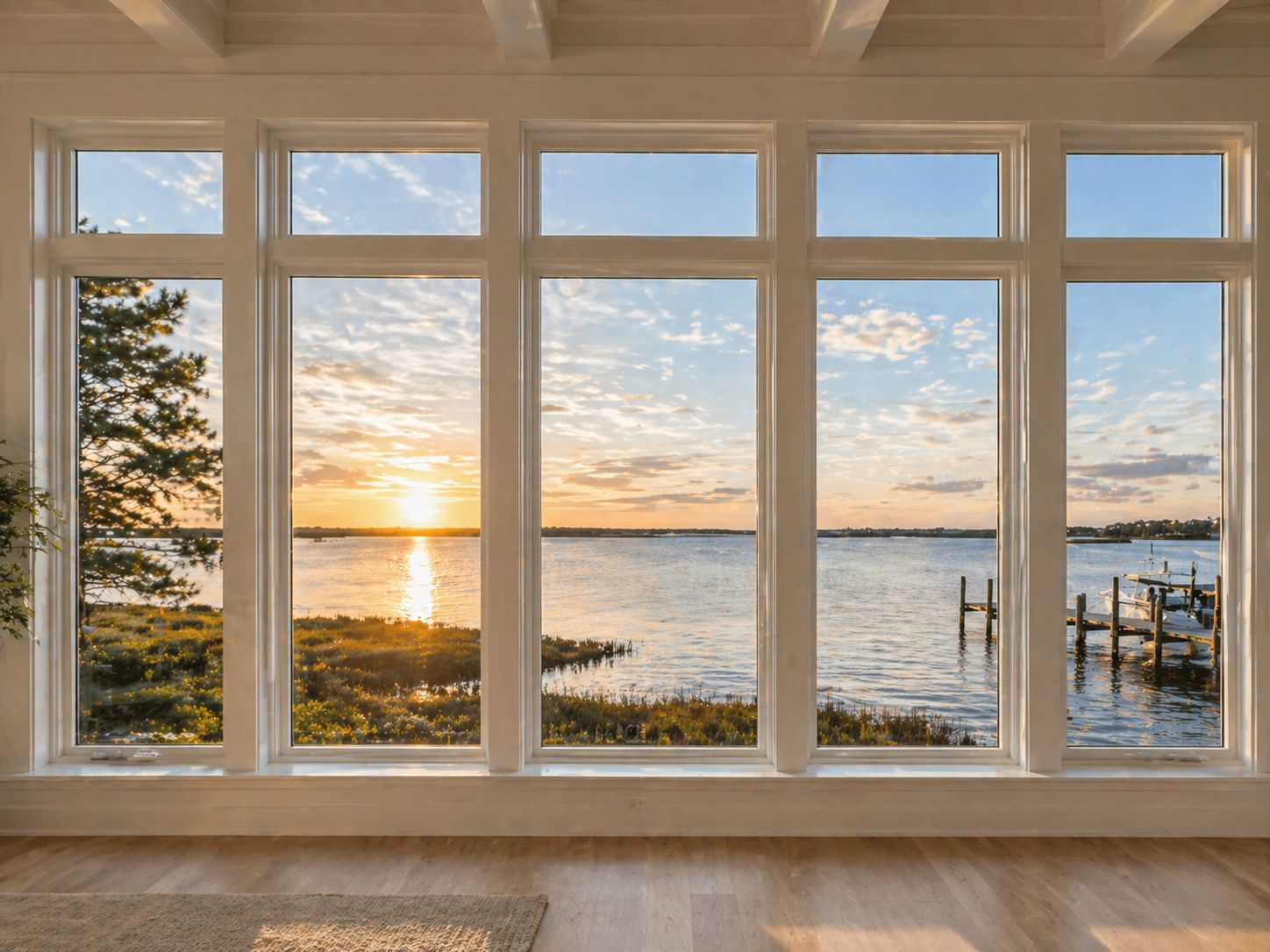
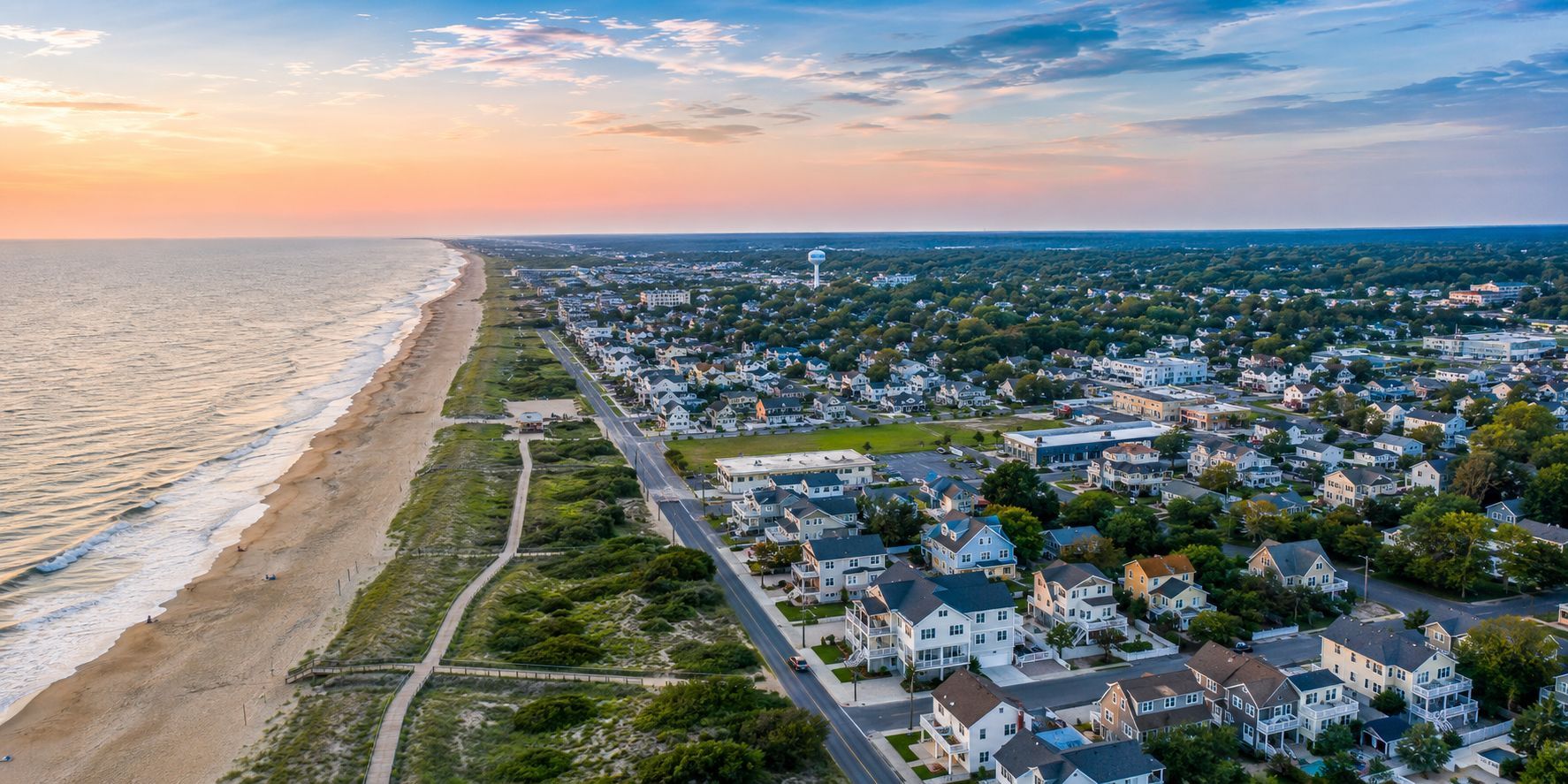
Designing a waterfront home isn’t just about placing windows toward the water and calling it a day. The best homes in areas like Bethany Beach, Selbyville, Rehoboth Beach, Tilghman Island, and Berlin are intentionally designed from the ground up to capture, frame, and elevate every possible view.
If you approach it like a standard home, you’ll leave value and daily enjoyment on the table. Here’s how to do it right.
Start with the Homesite, Not the Floor Plan
Before you even think about layouts or finishes, you need to understand your lot:
- Water direction (bay, ocean, canal, or marsh)
- Sun path (sunrise vs. sunset exposure)
- Prevailing winds (especially along the Delaware and Maryland coastlines)
- Setbacks and flood zones (critical in Bethany Beach and Rehoboth Beach)
A lot in Selbyville with bay views behaves very differently than a narrow canal-front lot in Berlin or a wide-open waterfront property on Tilghman Island.
Bottom line: The lot should dictate the design, not the other way around.
Flip the Traditional Layout
One of the smartest strategies in waterfront design is a reverse floor plan:
- Main living areas (kitchen, family room, dining) on the upper floor
- Bedrooms on the lower level
Why it works:
- Elevated sightlines = better views
- Increased privacy
- More natural light throughout the day
You’ll see this approach used heavily in areas where maximizing even a partial water view can significantly increase both lifestyle appeal and resale value.
Maximize Glass, But Be Strategic
More glass = more view, but it has to be done right.
Key strategies:
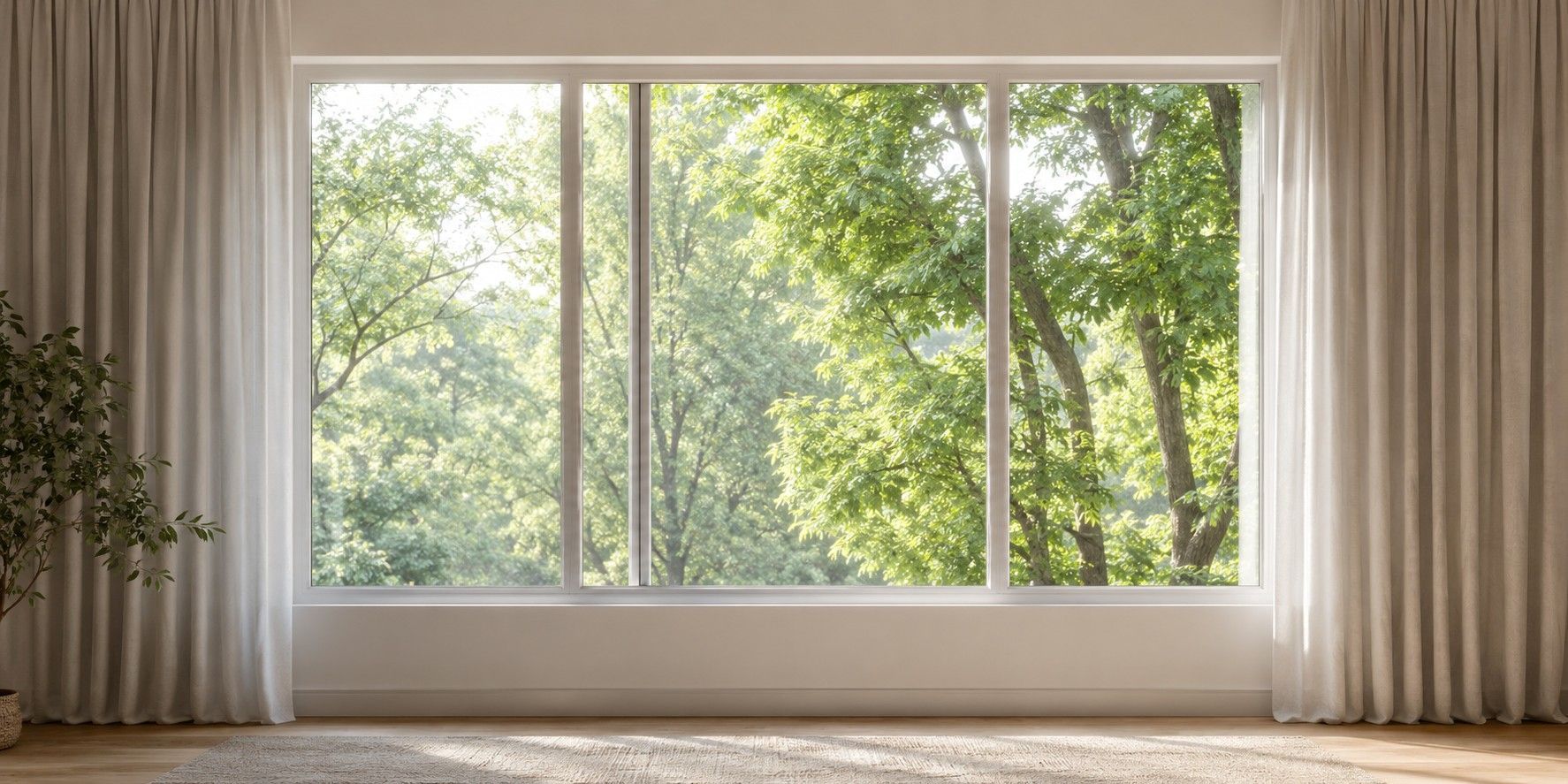
- Floor-to-ceiling windows on primary view walls
- Large sliding or multi-panel doors for indoor-outdoor flow
- Minimal window interruptions to keep sightlines clean
But here’s where most people get it wrong:
- Too much west-facing glass without protection = overheating
- Poor window placement = broken or obstructed views
Pro move: Combine large glass openings with overhangs, covered decks, or strategic shading, especially in exposed waterfront areas.
Design Outdoor Living as Part of the Home
The best waterfront homes don’t stop at the interior; they extend the experience outside.
Prioritize:
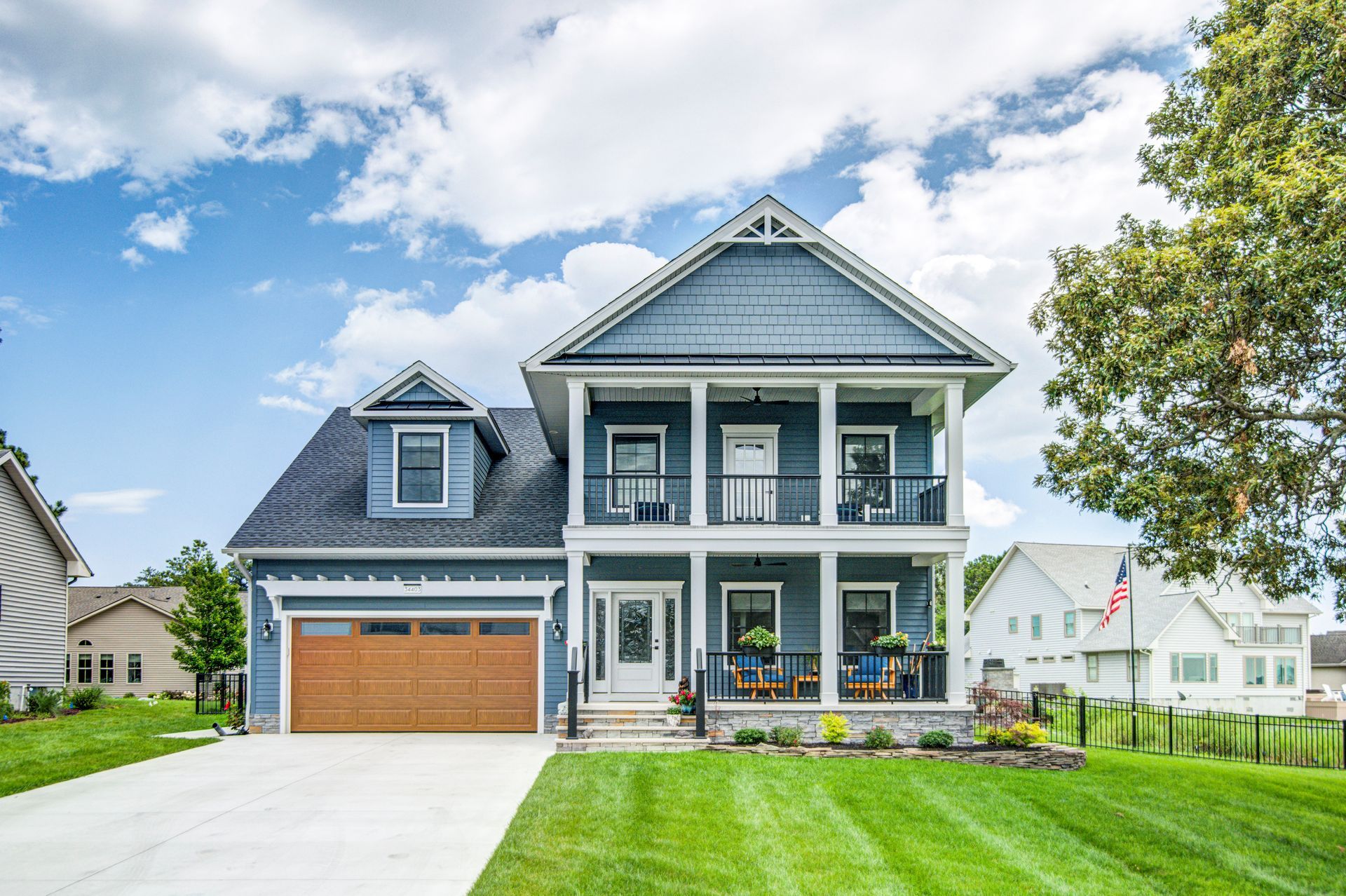
- Elevated decks for unobstructed views
- Screened porches for comfort in buggy coastal climates
- Covered outdoor areas for shade and weather protection
In areas where marsh and bay views are common, a well-positioned outdoor space can completely change how the home feels.
Elevate the Home for Both Views and Protection
Elevation isn’t just about code, it’s a design advantage.
- Higher elevation = better sightlines
- Captures breezes and natural light
- Protects against flooding and storm surge
This is especially important in areas where FEMA requirements often dictate elevation, but smart design turns that requirement into a feature.
Frame the View Inside the Home
Even with great windows, layout matters.
Design principles:
- Align hallways and entry points with water views
- Position kitchen sinks and islands toward the water
- Place primary suites where they capture morning or sunset views
A well-designed coastal home doesn’t just have views, you experience them from multiple angles throughout the day.
Think Long-Term: Resale and Lifestyle
Buyers are drawn to one thing first: the view.
To protect long-term value:
- Prioritize main living spaces facing water
- Avoid blocking views with garages or secondary structures
- Design for flexibility (future decks, additions, or outdoor upgrades)
Homes that maximize views consistently outperform others in resale.
Final Thought
Designing a waterfront home is a different game. It’s not about squeezing a standard plan onto a premium lot, it’s about creating a home that responds to the water.
When done right, every decision, from elevation to window placement, works together to deliver what matters most:
A home where the view isn’t just seen, it’s experienced.
SHARE ONLINE