The Most Overlooked Outlet Locations in a Custom Home (And Why They Matter)
The Most Overlooked Outlet Locations in a Custom Home
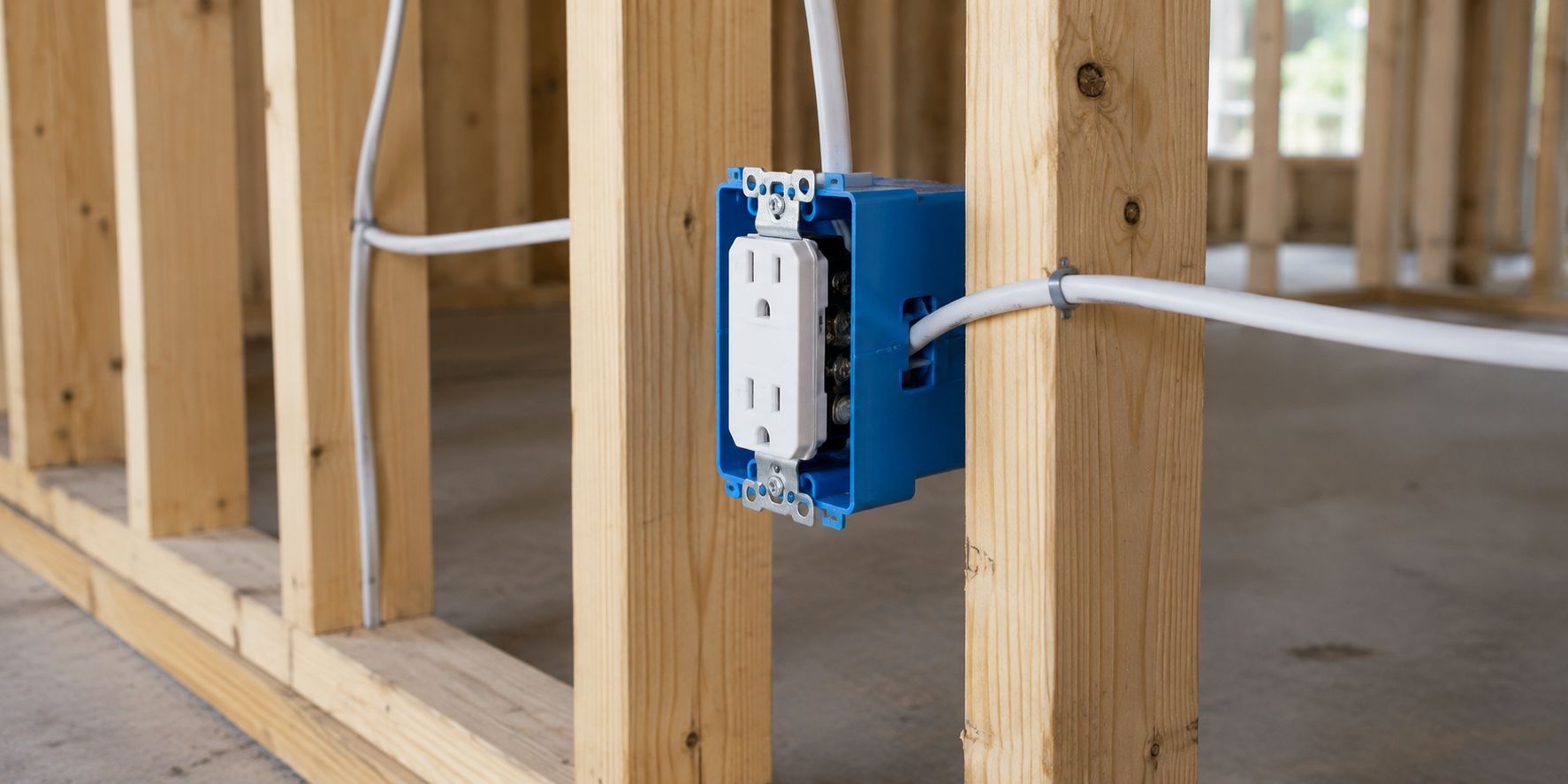
When you're building a custom home, it's easy to focus on floor plans, cabinetry, flooring, and paint colors. However, one of the smartest decisions you'll make happens behind the walls; planning where your electrical outlets will go.
While standard outlet placement meets building code, thinking beyond the basics can make your home more functional and convenient for years to come. Better yet, adding outlets during construction is much easier and more cost-effective than trying to install them after drywall is finished.
Here are 10 outlet locations homeowners often overlook but rarely regret adding.
1. Inside the Kitchen Pantry
If you plan to keep appliances like a coffee maker, toaster, air fryer, or microwave tucked away, an outlet inside your pantry creates a clean, organized appliance station while keeping your countertops clutter-free.
2. Inside Bathroom Vanity Cabinets
An outlet inside the vanity is perfect for charging electric toothbrushes, storing hair tools, or keeping grooming devices plugged in but out of sight. It's a simple upgrade that helps maintain a clean countertop.
3. Near the Toilet
Even if a bidet isn't in your plans today, adding an outlet nearby gives you the flexibility to install one later without needing electrical work after your home is complete.
4. Floor Outlets in Large Living Rooms
If your furniture won't sit against the walls, floor outlets make it easy to power lamps, charge devices, or plug in reclining furniture without running extension cords across the room.
5. Above Kitchen Cabinets
Planning to decorate for the holidays or install accent lighting? An outlet above your cabinets allows you to power lights without visible extension cords.
6. Under the Roof Eaves
Outdoor outlets beneath the roofline make hanging holiday lights much easier while creating a cleaner look with fewer extension cords running across your yard or porch.
7. Garage Ceiling
A ceiling outlet is ideal for retractable extension cords, additional lighting, or future garage projects. It's one of those additions many homeowners don't realize they need until after moving in.
8. Outdoor Living Spaces
Whether you envision a screened porch, patio, or outdoor kitchen, having convenient outlets makes it easy to power string lights, televisions, speakers, fans, and small appliances.
9. Home Office
Today's home offices often require multiple monitors, printers, chargers, and other electronics. Adding a few extra outlets now can help eliminate the need for power strips later.
10. A Dedicated Charging Station
A small charging area in a mudroom, kitchen, or built-in desk keeps phones, tablets, and other devices organized instead of scattered throughout the house.
Plan for Everyday Convenience
Electrical outlet placement isn't the most exciting part of designing a custom home, but it's one of the details you'll appreciate every day. Taking a little extra time to think about how you'll use each space can make your home more functional from the day you move in.
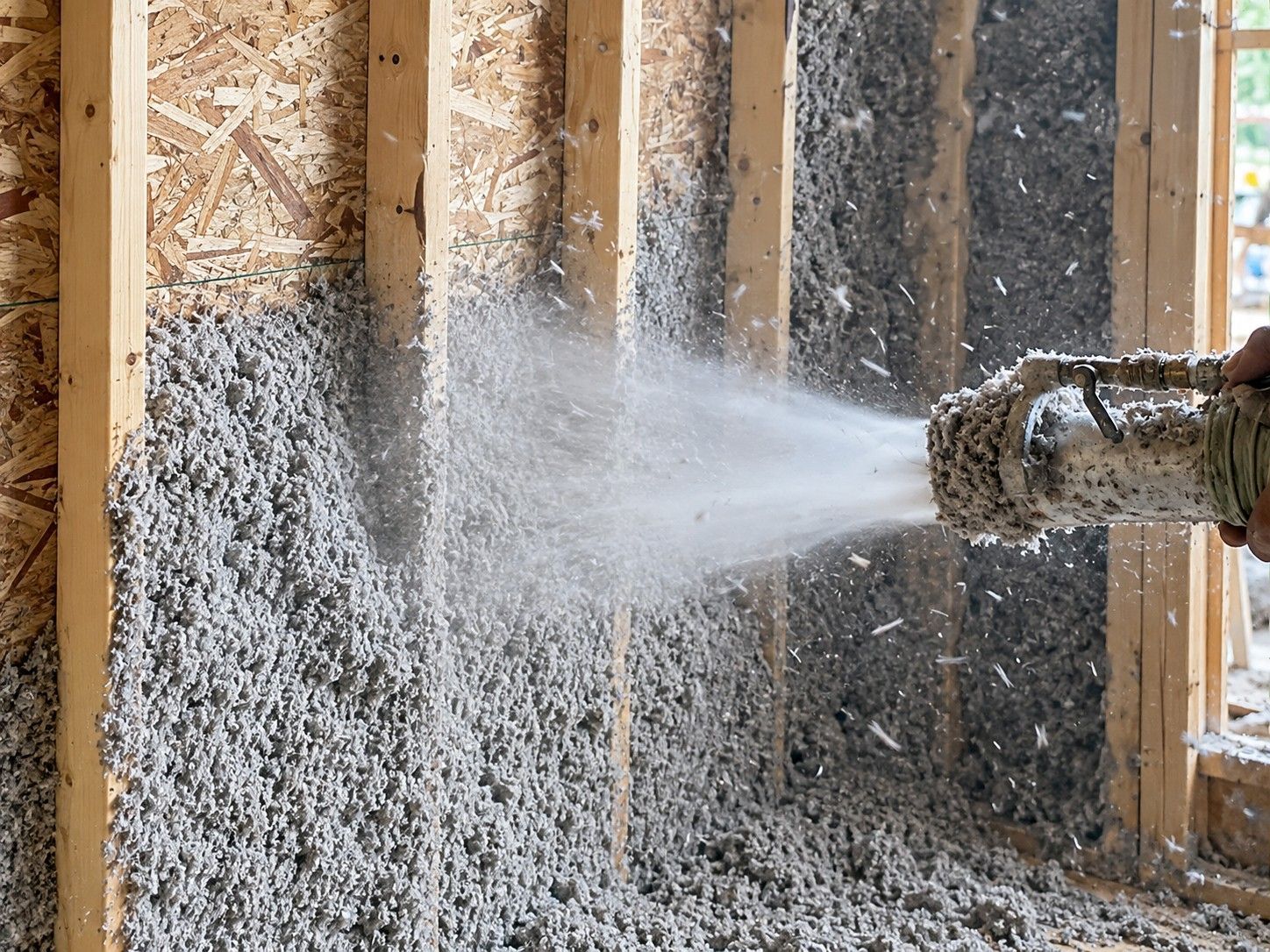
Because your walls are open during construction, adding outlets is typically straightforward and affordable. Once the home is finished, installing additional outlets often means opening drywall, running new wiring, and repainting; making it a much more involved project.
At Bay to Beach Builders, we encourage homeowners to think beyond the standard layout and design a home that truly fits their lifestyle. Sometimes it's the smallest details that make the biggest difference.
SHARE ONLINE