Can You Really Calculate Custom Home Cost Per Square Foot?
Can You Calculate Custom Home Cost Per Square Foot?
When people begin researching the cost of building a custom home, one of the first questions they typically ask is:
What’s the cost per square foot?
It sounds like a simple question with a straightforward answer. In reality, custom home pricing is far more detailed than a single number.
While production-style builders may sometimes provide a more consistent square foot range across repeated floor plans and similar selections, custom homes simply do not work that way.
The truth is this:
There is no universal cost per square foot for a truly custom home because no two custom homes are exactly alike.
Why Production Homes Can Sometimes Use Square Foot Pricing
Production builders often construct:
- repeated floor plans
- similar elevations
- consistent material packages
- homes in communities with comparable site conditions
Because of this, their costs become more predictable over time.
Custom home building is entirely different.
A custom home is personalized around:
- the homeowner
- the homesite
- the layout
- the finishes
- the lifestyle goals of the family building it
Every one of those decisions influences pricing.
Not All Square Feet Are Created Equal
One of the biggest misconceptions in custom home building is the idea that every square foot carries the same value or construction cost. It doesn’t. For example, imagine two homes that are both 2,500 square feet. On paper, they appear identical in size. But when you look deeper, the details begin to change.
Home A:
- 9-foot ceilings throughout
- A straightforward footprint
- Traditional rooflines
- Luxury vinyl plank flooring
- A thoughtfully designed kitchen layout
- A spacious owner’s bath
- A covered front porch
Home B:
- Vaulted ceilings in main living areas
- Expanded window configurations
- Detailed trim features
- Tile shower surrounds
- Extended outdoor living spaces
- Decorative ceiling accents
- A more intricate exterior elevation
Neither home is “better” than the other. They are simply designed differently to reflect different homeowner preferences and lifestyles.
Even though the total square footage remains the same, the materials, labor, engineering, and construction methods involved can vary significantly.
The square footage stayed the same. The design priorities did not.
Design Complexity Changes Everything
The layout and structure of a home also play a major role in pricing.
Certain home designs are naturally more efficient to construct than others depending on:
- roof structure
- ceiling details
- window layouts
- structural engineering
- architectural features
For example, multiple roof transitions, oversized glass areas, decorative beams, and custom ceiling designs can all influence labor, material usage, and overall construction planning.
Even ceiling height impacts cost differently from one home to another.
A home with consistent ceiling heights throughout may be priced differently than a home featuring:
- expansive open spaces
- raised ceilings
- specialized framing details
Again, the square footage may remain identical while the construction approach changes dramatically.
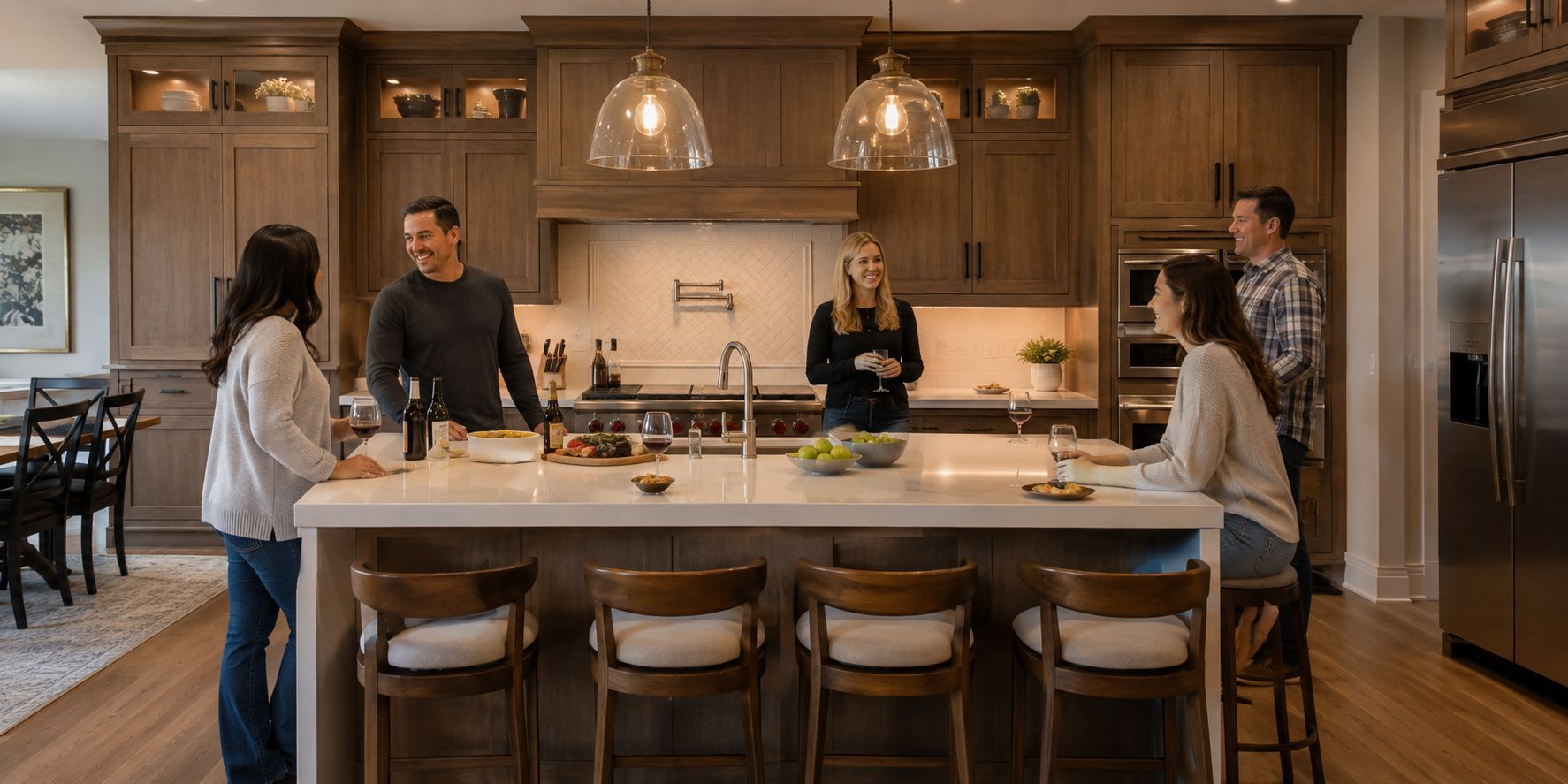
Kitchens and Bathrooms Carry Different Construction Costs
Another reason square foot pricing becomes misleading is because certain spaces within a home naturally require more materials and specialized trades.
Kitchens and bathrooms often involve:
- cabinetry
- countertops
- plumbing fixtures
- tile installations
- electrical work
- lighting
- appliance coordination
For example, two rooms may contain the same square footage, but their construction requirements may be completely different based on the selections and functionality desired within the space.
The square footage is the same. The investment approach is different.
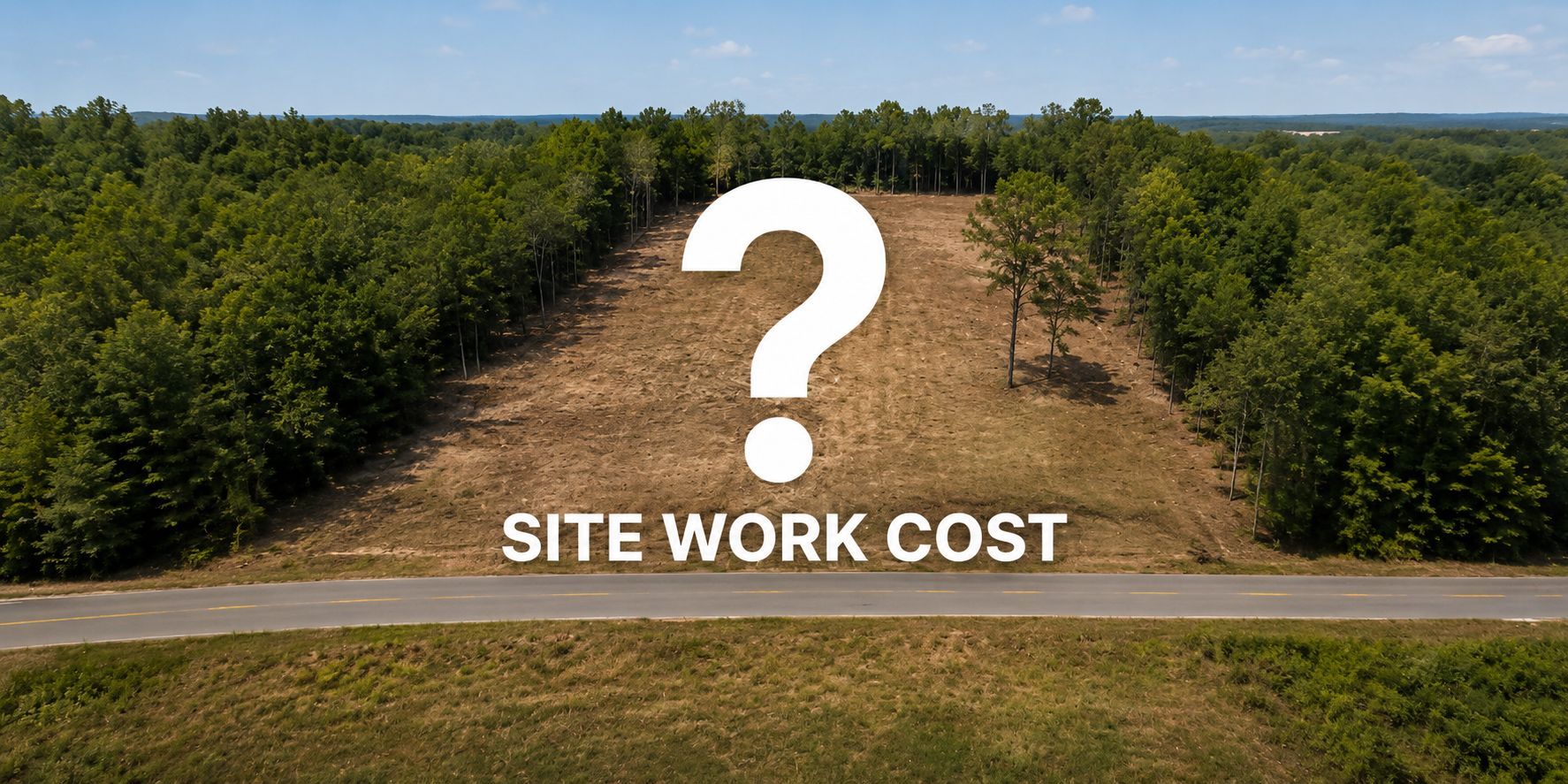
Site Conditions Matter More Than Most People Realize
With on-your-lot custom homes, the property itself can also influence pricing in a major way.
Factors such as tree clearing, grading, wetlands, piling foundations, flood zones, septic systems, driveway lengths, and utility access all contribute to the overall scope of construction.
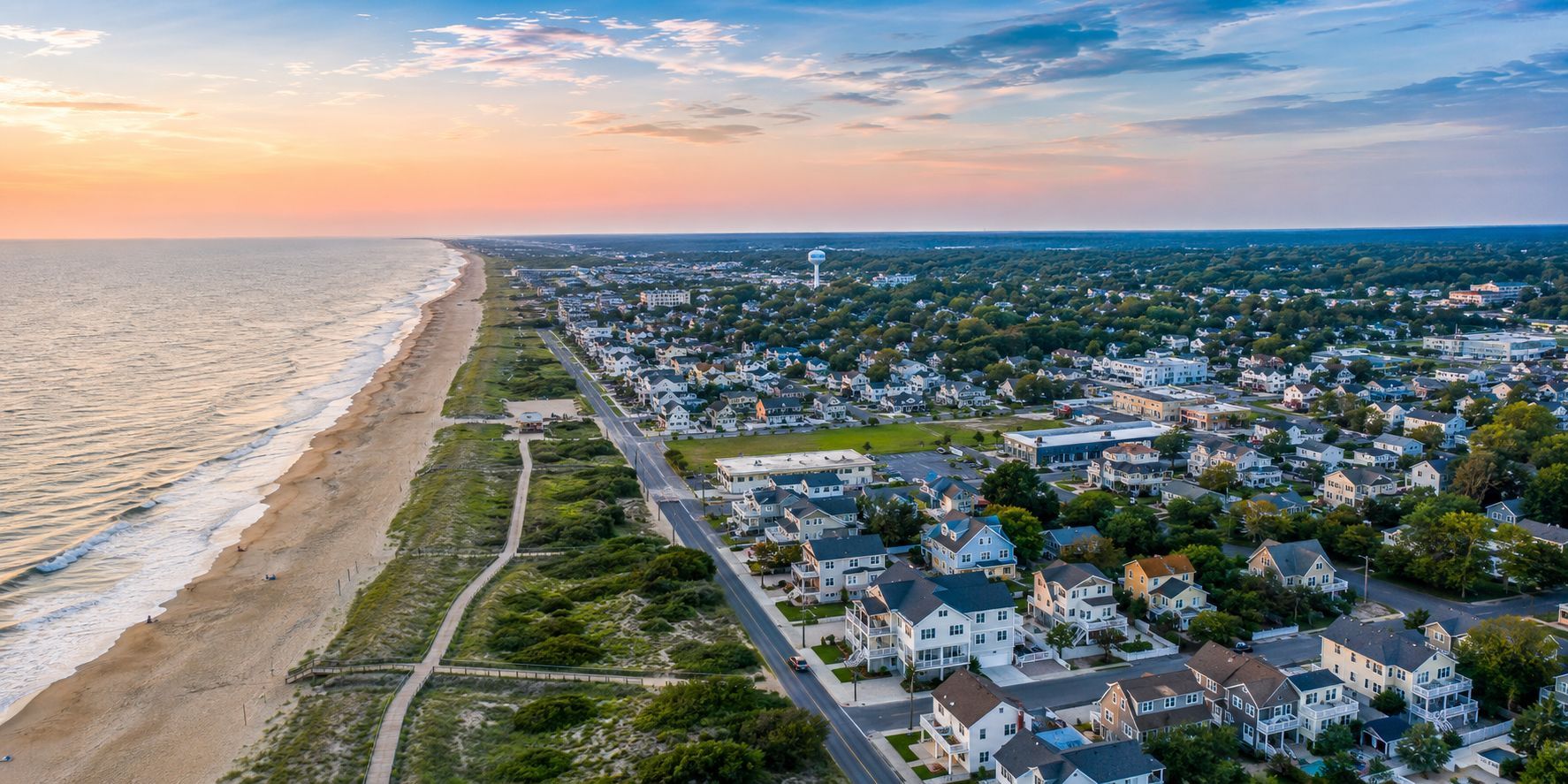
This is especially true throughout coastal areas like Bethany Beach, Lewes, Rehoboth Beach, and Maryland’s Eastern Shore, where elevated construction and waterfront requirements can influence how a home is built.
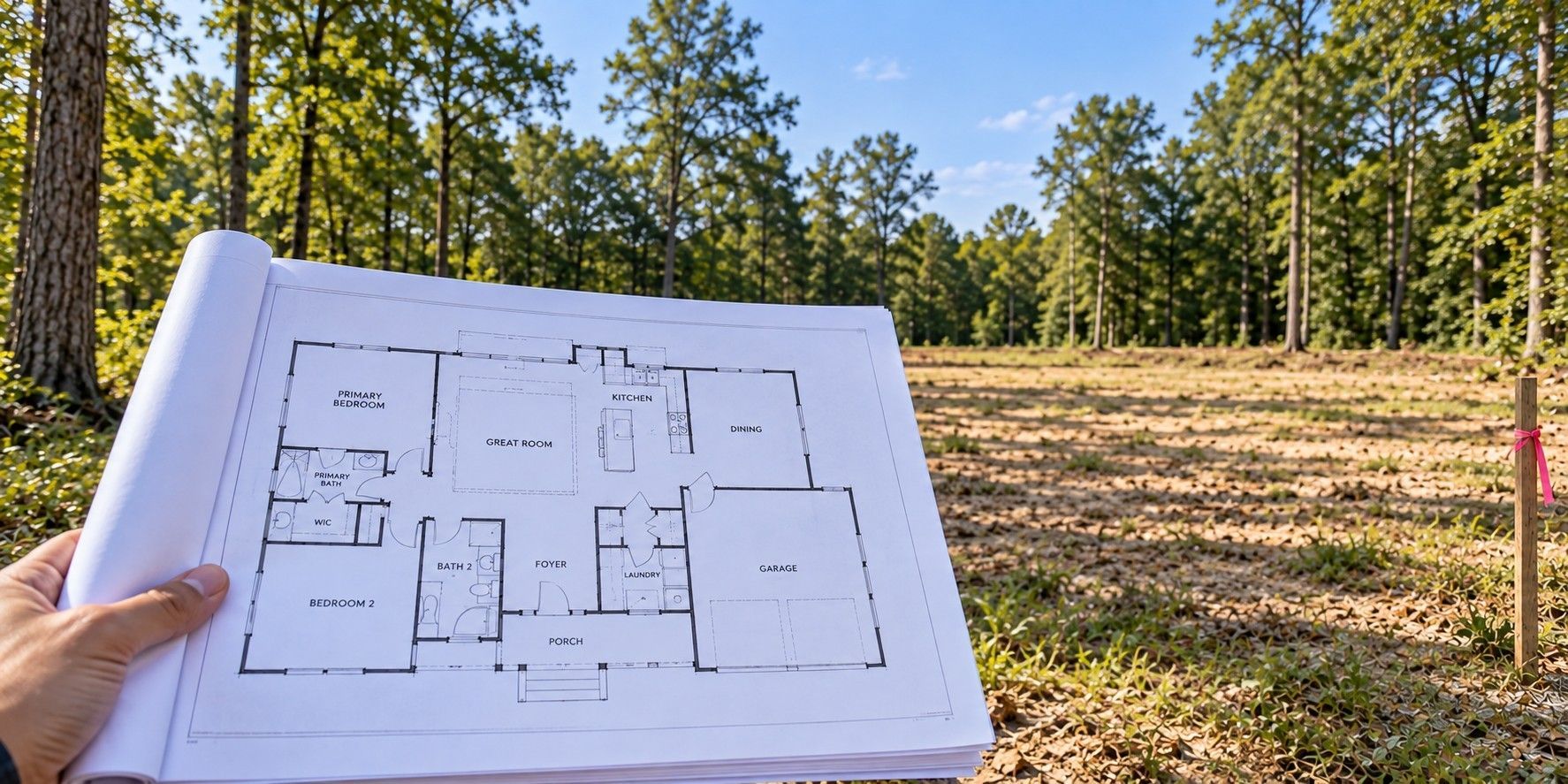
For example, a wooded homesite may require additional preparation compared to an open lot, and an elevated coastal home may involve different engineering and foundation requirements than an inland homesite.
These are important details that online square foot averages often cannot account for.
The Internet Often Oversimplifies Custom Home Pricing
Many online articles advertise broad “average cost per square foot” ranges for custom homes.
The challenge is that these estimates often overlook:
- regional construction requirements
- homesite conditions
- design complexity
- material selections
- engineering needs
- homeowner personalization
As a result, many buyers begin the process expecting there to be a fixed formula for custom home pricing when the reality is much more individualized.
Custom homes are not cookie-cutter products.
They are personalized around each homeowner’s vision, priorities, and property.
And personalization naturally creates pricing variability.
A Better Way to Think About Custom Home Pricing
Instead of focusing solely on square foot averages, homeowners should focus on:
- overall investment goals
- desired features
- preferred finishes
- homesite conditions
- long-term functionality
- how they want the home to live and feel day-to-day
A transparent builder should help guide these conversations early so expectations are realistic and tailored specifically to the project.
Because ultimately, the better question is not: What’s the cost per square foot?
The better question is:
What do I want my home to include, and what matters most to how we live?
Final Thoughts
Cost per square foot can sometimes provide a very broad starting point for conversation, but it should never be viewed as an exact science in custom home building.
No two custom homes are truly alike.
Different layouts, finishes, homesites, elevations, and construction methods all influence the final investment.
That’s why custom homes cannot realistically be reduced to a single cookie-cutter number.
And honestly, that individuality is one of the things that makes a custom home truly personal.
SHARE ONLINE