Passive Home Cooling: How Design Helps You Beat the Heat
Passive home cooling is a strategic architectural approach that utilizes natural airflow, shading, and building orientation to maintain consistent indoor temperatures without relying solely on mechanical air conditioning. Incorporating these elements into your custom home helps you create a cooler, more sustainable, and energy-efficient space. Here are key design strategies to consider:
Strategic Orientation and Shading
The foundation of passive cooling begins with a home’s orientation. Positioning the building to account for the sun’s path minimizes exposure to direct solar gain during peak hours. Through this, you can better incorporate strategic design choices, such as:
- Window Placement: Placing larger windows on the sides of your home that receive less direct sunlight helps prevent thermal energy from being trapped indoors, managing heat.
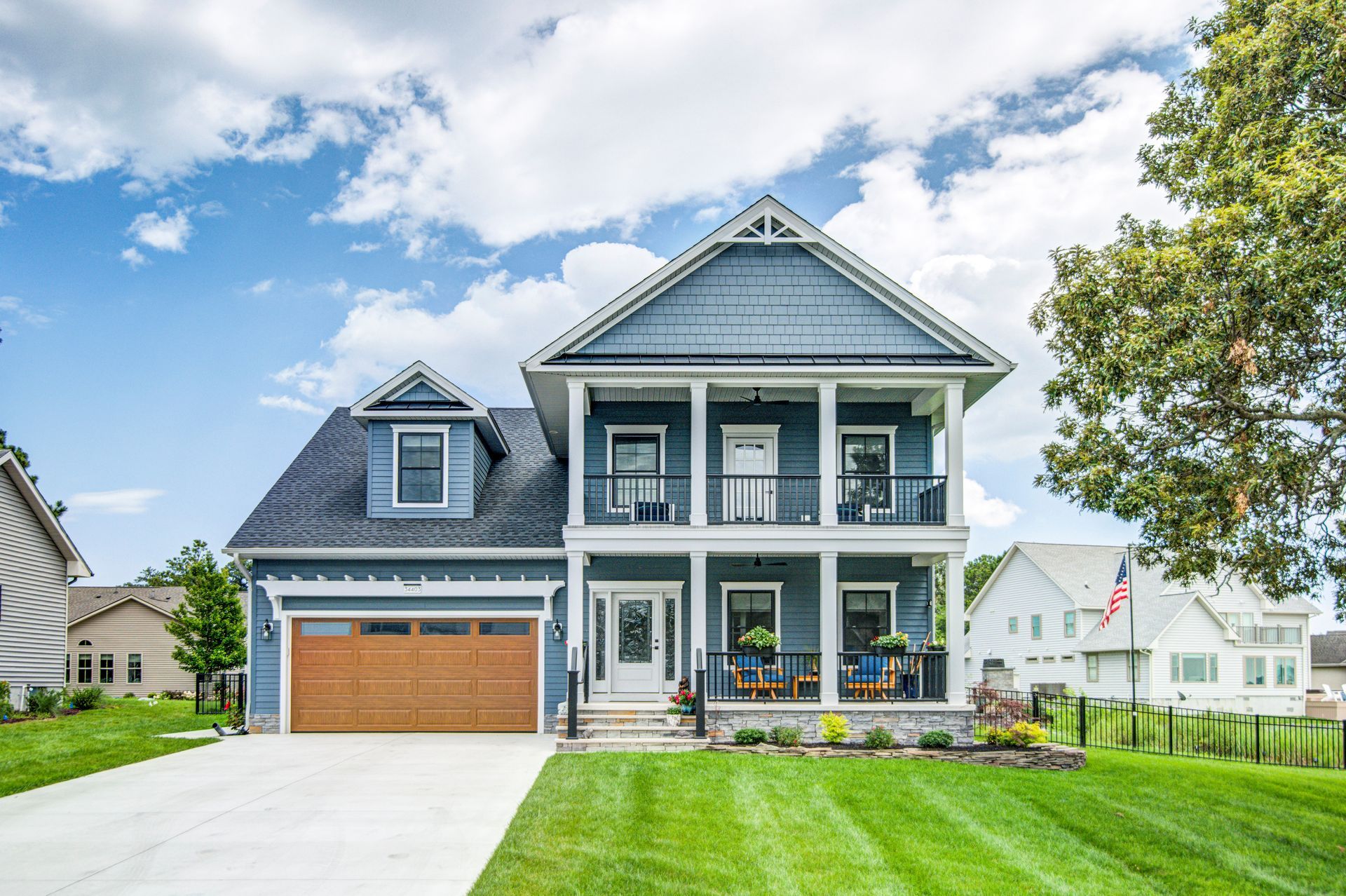
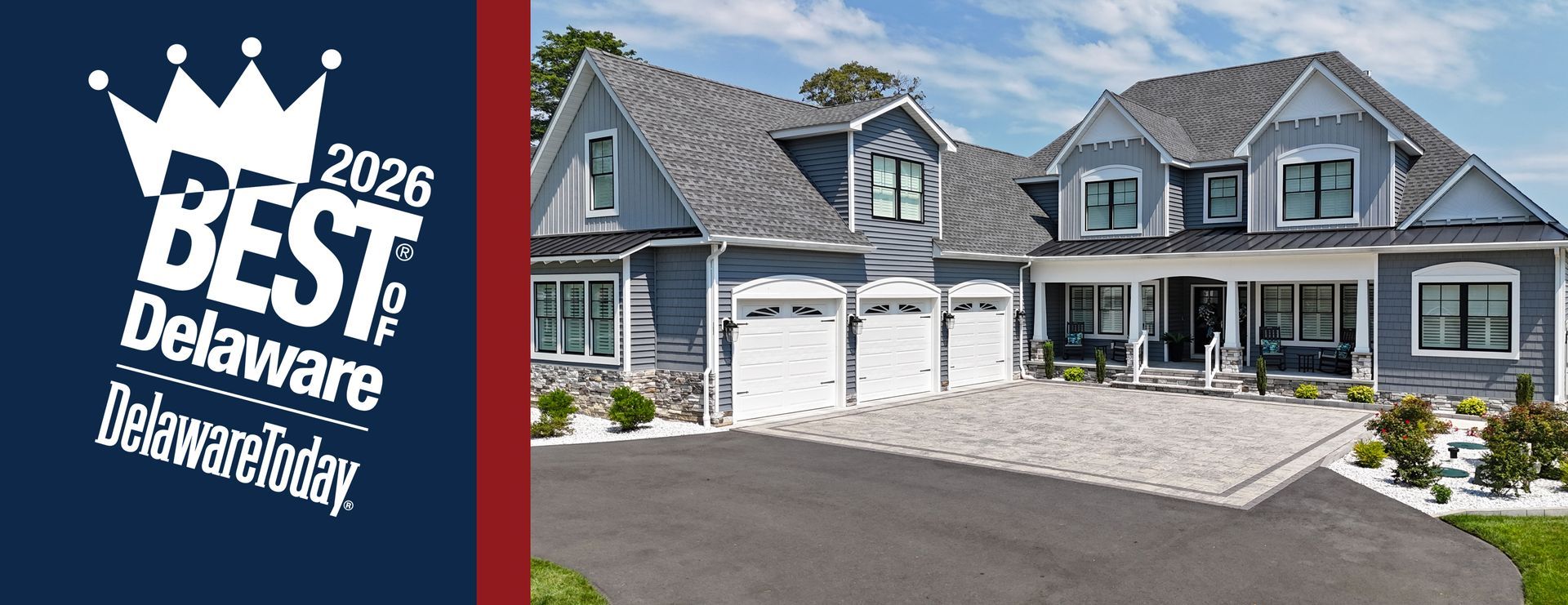
- External Shading: Deep eaves, fixed overhangs, and retractable awnings are engineered to block the high-angle summer sun. Conversely, these features allow low-angle winter sun to enter, providing year-round thermal control.
Thermal Mass Integration
Thermal mass is the ability of high-density materials, like concrete, stone, and brick, to absorb and retain heat. They soak up warm air during the day, keeping your home cooler, and release it at night when temperatures drop. By incorporating these materials into your floors and walls, you can create a buffer against temperature fluctuations.
Natural Ventilation Pathways
Passive home cooling relies heavily on moving air to remove heat. There are two primary methods often used:
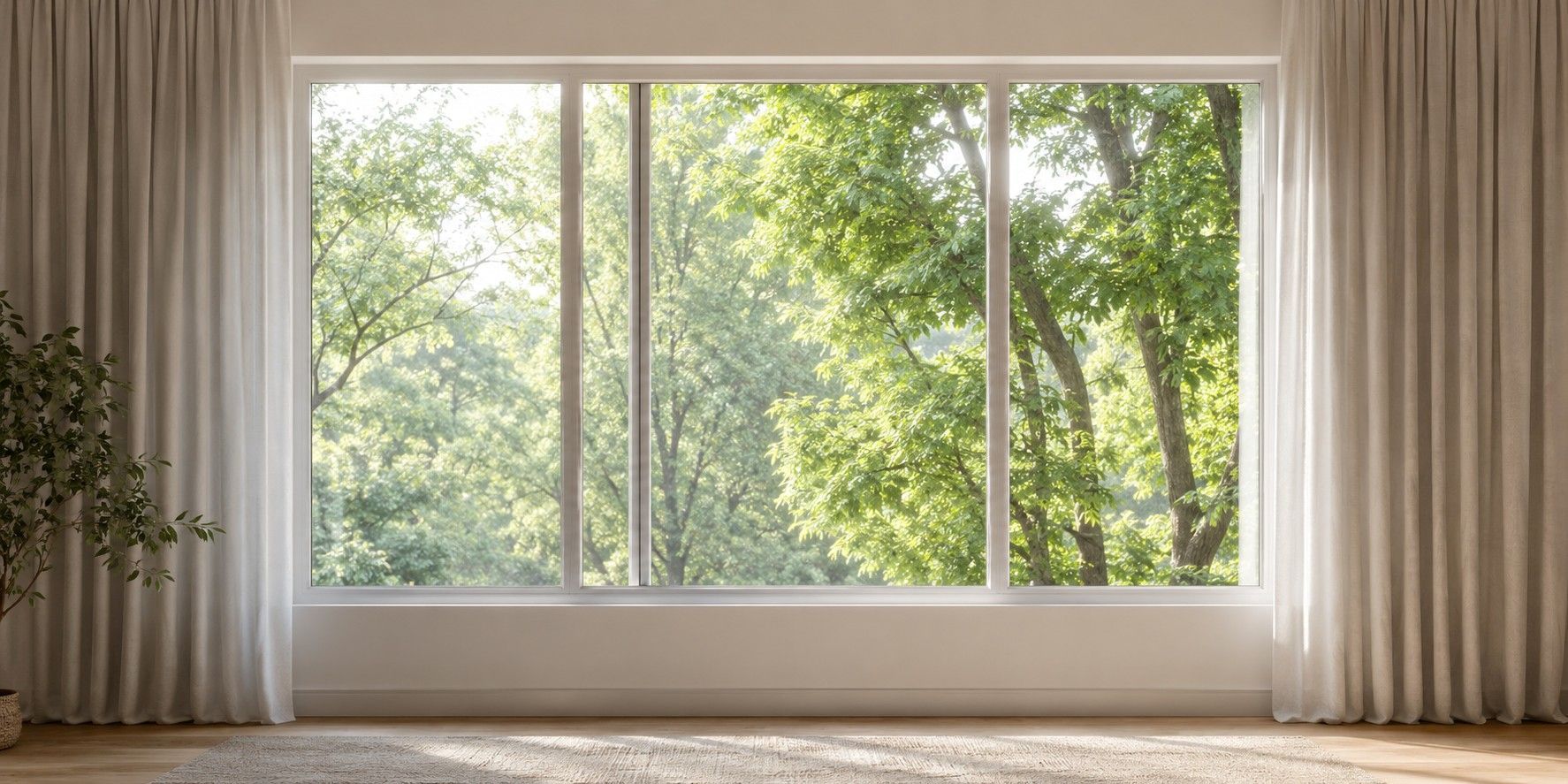
- Cross-Ventilation: This process utilizes strategically positioned openings to encourage airflow throughout your home. When windows are placed on the opposite sides of a room, cooler air can flow in while warmth exits, creating a natural breeze.
- Stack Ventilation: This utilizes the natural tendency of warm air to rise. Incorporating higher openings, such as clerestory windows or ceiling vents, allows heat to escape while cooler air is drawn in through lower openings.
Build an Energy-Efficient Home With Our Experts
By integrating these cooling design strategies into your home, you can better regulate indoor temperatures, minimizing the need for active HVAC operation. To find out how to customize your home for passive cooling, talk to an expert. Contact us at Bay to Beach Builders in Delaware today!
SHARE ONLINE