The Land Buying Checklist: What Every Future Homeowner Should Verify
The Land Buying Checklist
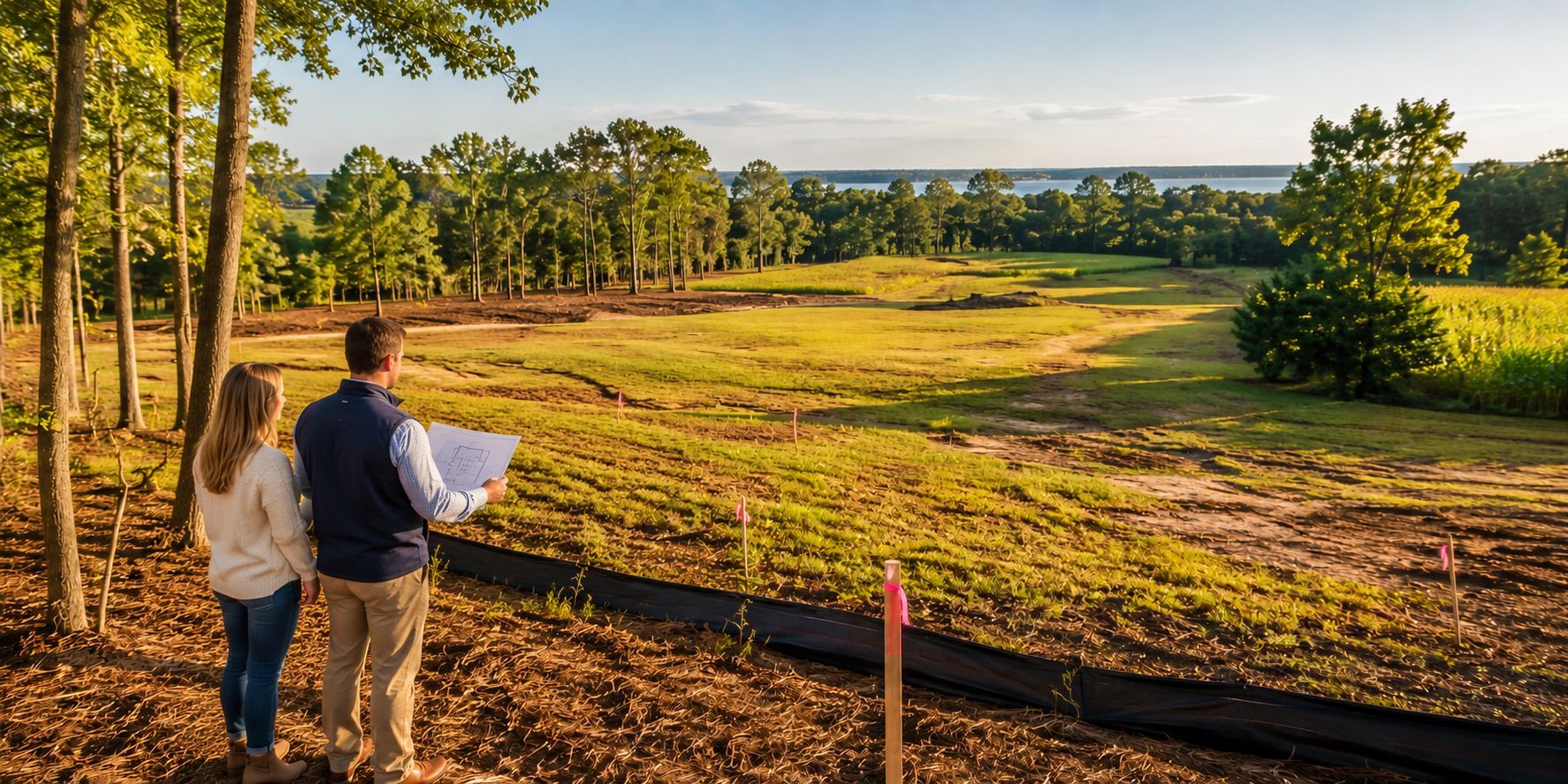
Purchasing land is one of the most exciting first steps toward building your dream home. Whether you're envisioning a peaceful country setting, a waterfront retreat, or a homesite close to Delaware's beaches, finding the right property can feel like you've already crossed the finish line.
However, before you sign a contract or fall in love with a lot based solely on its location, it's important to understand that not every piece of land is immediately ready for construction. Taking the time to verify a few key details upfront can help you avoid unexpected costs, delays, and frustration later in the building process.
If you're considering purchasing land in Delaware or Maryland, here are some of the most important items every future homeowner should evaluate before buying.
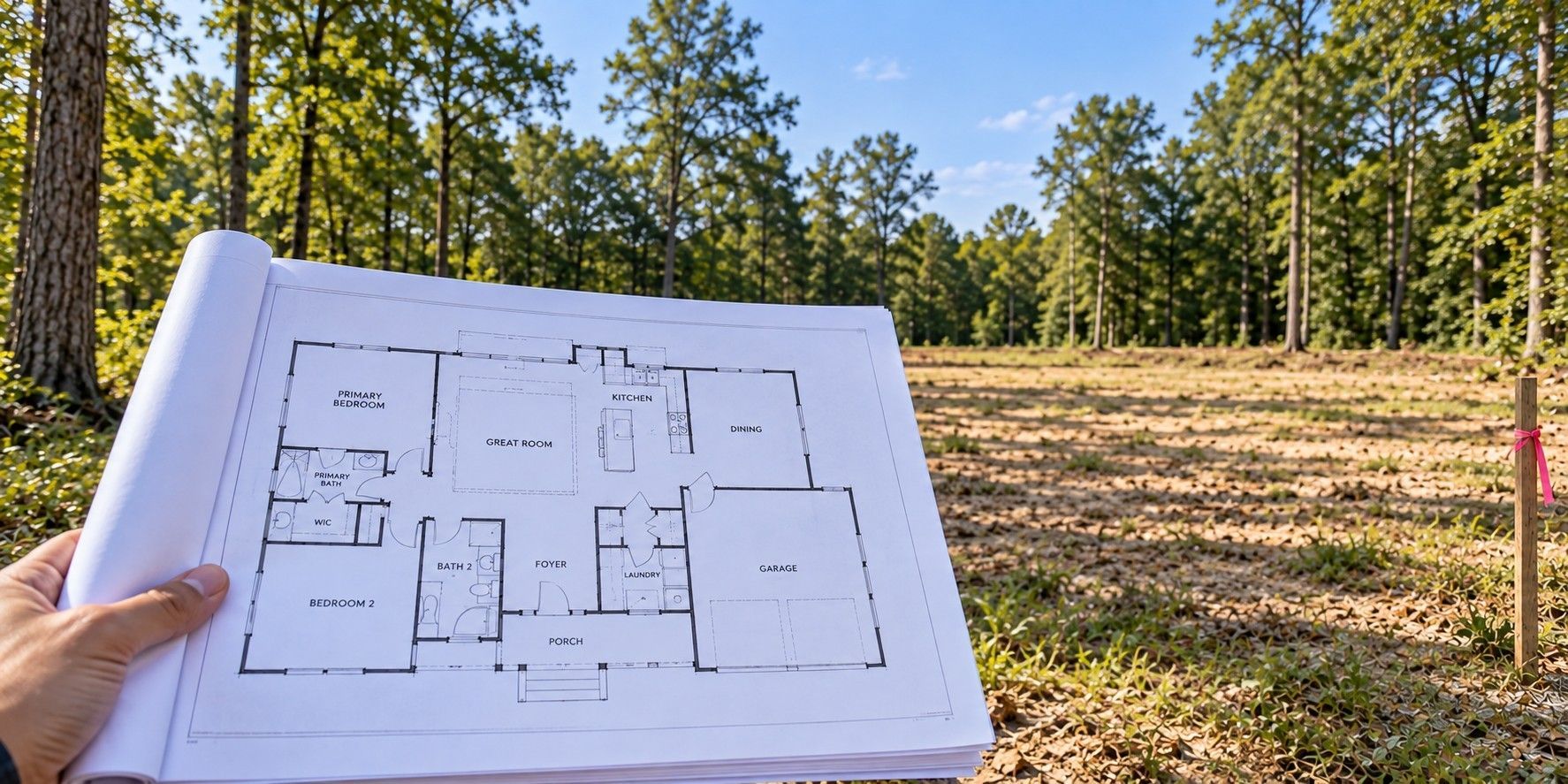
Confirm the Property Can Be Built On
This may seem obvious, but one of the first questions to answer is whether the property is buildable.
Factors such as zoning restrictions, setbacks, wetlands, easements, and environmental regulations can impact where or if you can build on a lot. A property that appears ideal at first glance may have limitations that affect your home's size, placement, or design.
Before purchasing, verify local zoning requirements and determine if there are any restrictions that could impact your plans.
Understand the Septic Requirements
For many rural and coastal properties throughout Delaware and Maryland, public sewer service may not be available. In these situations, a septic system will likely be required.
The type of septic system needed depends on soil conditions and site characteristics. Some properties may qualify for a conventional gravity system, while others may require a more complex engineered or mound system.
Because septic costs can vary significantly, understanding these requirements before purchasing the lot can help you establish a more accurate budget for your future home.
Determine Water Availability
Will the property be connected to public water, or will a private well be required?
If a well is needed, it's important to factor drilling and installation costs into your overall budget. Well depth, soil conditions, and local regulations can all influence costs and timelines.
Knowing how water service will be provided is an essential part of evaluating any vacant lot.
Research Flood Zones and Drainage Conditions
Flood zones don't necessarily mean you can't build, but they can impact the construction requirements, site preparation, and insurance costs.
Properties near waterways, coastal areas, or low-lying regions may require additional planning to meet elevation and drainage requirements.
Reviewing flood maps and understanding drainage conditions early can help you avoid surprises during the design and permitting process.
Evaluate Access to Utilities
Utility availability can have a major impact on your project's cost and timeline.
Before purchasing land, verify the availability of:
- Electric service
- Internet and broadband access
- Natural gas (if available)
- Public water or sewer connections
- Road access
In some cases, utility extensions may be required, adding costs that many buyers don't initially anticipate.
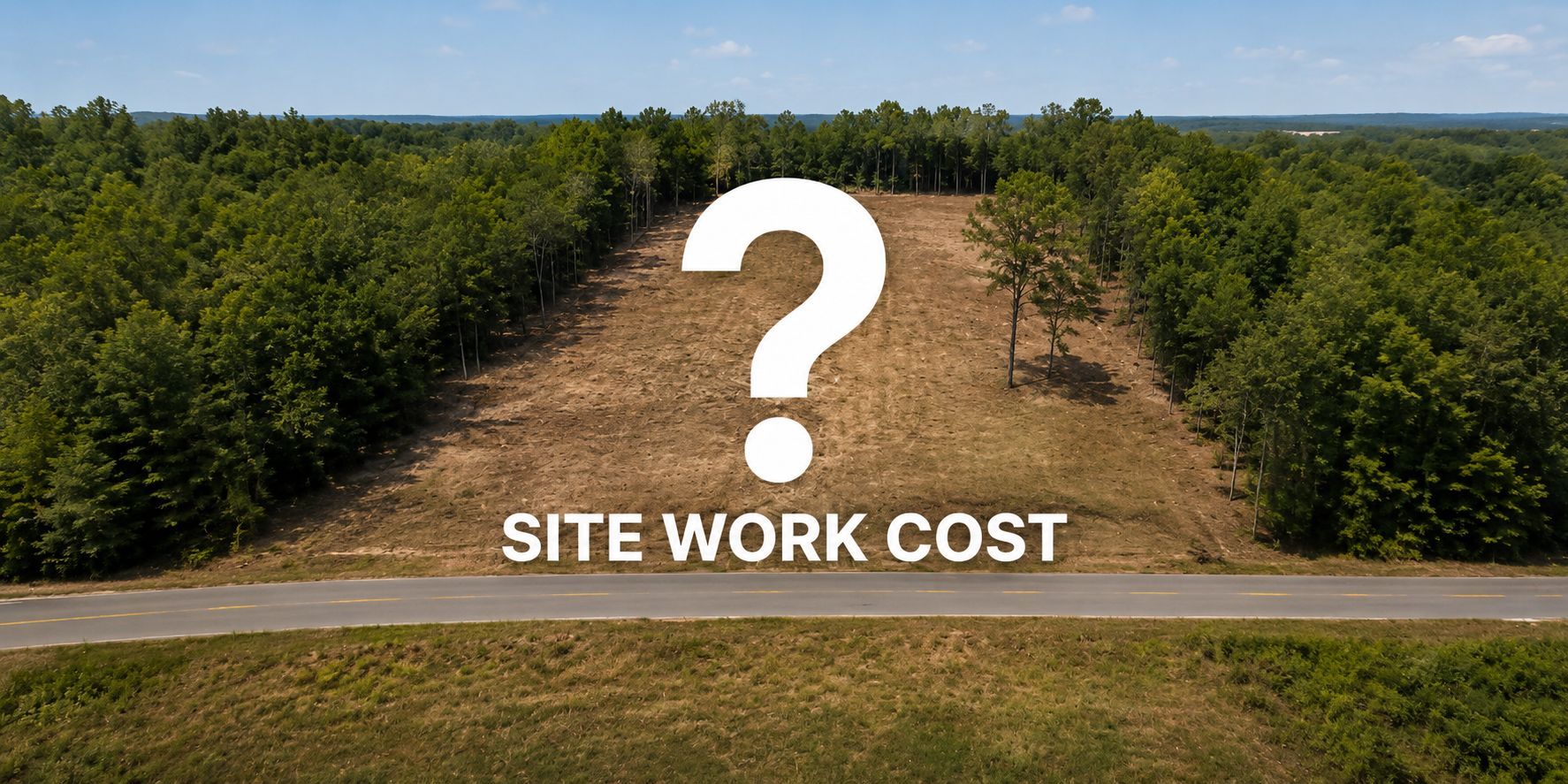
Consider Site Preparation Costs
The purchase price of the lot is only one part of the equation.
Additional site costs may include:
- Land clearing
- Tree removal
- Grading
- Fill dirt
- Driveway installation
- Stormwater management requirements
A heavily wooded lot may offer beautiful privacy, but it may also require additional preparation before construction can begin.
Understanding these potential costs upfront allows you to plan more accurately and avoid budget surprises later.
Verify Property Boundaries and Easements
Property lines aren't always as obvious as they appear.
A professional survey can help confirm boundaries and identify any easements that may impact your home's placement. Utility easements, access easements, or other restrictions could affect where you can build structures, driveways, or other improvements.
Knowing exactly what you're purchasing provides peace of mind and helps prevent future complications.
Think Beyond Today
While it's important to focus on your immediate plans, it's also wise to consider the property's long-term potential.
Ask yourself:
- Will this lot accommodate future additions or outdoor living spaces?
- Is the location likely to support future resale value?
- Are there planned developments nearby?
- Does the property fit your lifestyle both today and years from now?
A little forward-thinking can help ensure you're making a decision you'll be happy with for decades.
Partner with Experts Before You Buy
One of the biggest mistakes future homeowners make is purchasing land before understanding what it will take to build on it.
At Bay to Beach Builders, we've helped over one thousand families evaluate lots throughout Delaware and Maryland before construction begins. Our team can help identify potential challenges, discuss site requirements, and provide guidance so you can move forward with confidence.
The right lot can become the perfect foundation for your dream home, but taking the time to verify these key details first can make the entire building experience smoother, more predictable, and more enjoyable.
If you're considering purchasing land and would like professional guidance, contact Bay to Beach Builders to learn how we can help you evaluate your property and take the next step toward building your custom home.
SHARE ONLINE